
Operational Innovation: Water Quality
SWN has standardized a water-safety system that combines clear standard operating procedures, routine and independent testing, remote monitoring, and operator training, with country-specific tools including India’s ACOM—Automatic Chlorination & Online Monitoring systems.
By the Numbers
100%
Stations with Real-Time Monitoring
97%
Stations meet/exceed national water standards
The Innovation
Safe Water Network, in partnership with Underwriters Laboratories (UL), has developed robust protocols for water quality assurance and operational safety. These protocols establish global benchmarks for delivering safe, reliable, and affordable water, strengthening community trust and ensuring long-term sustainability of water systems. SWN’s safe water enterprises are designed to comply with national standards, with systems in place to detect and resolve issues quickly.
Why it Matters
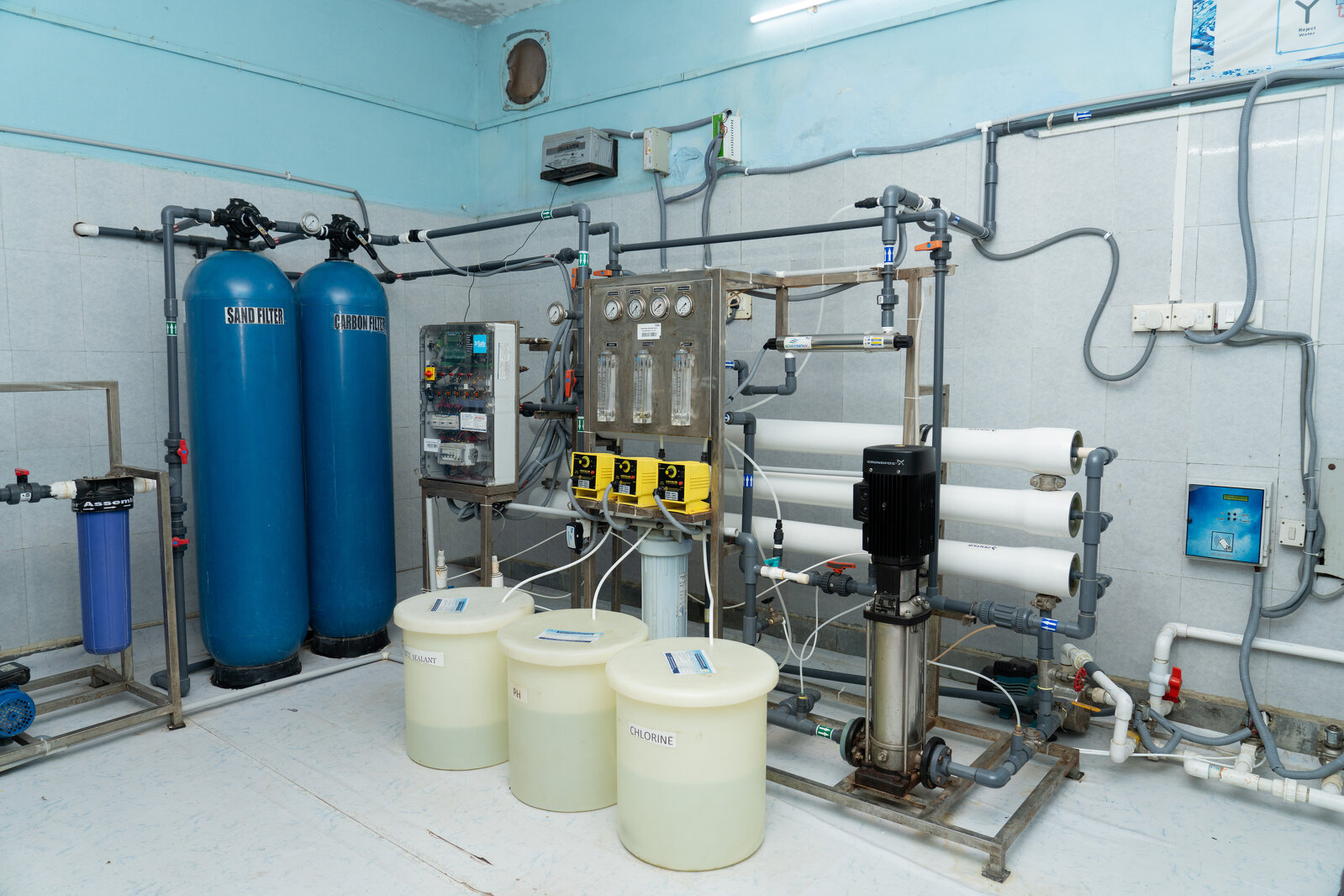
Households don’t benefit from “improved” sources unless water is consistently safe at the point of use. By closing last-mile gaps, such as fluctuating residual chlorine and re-contamination during storage, SWN reduces waterborne disease risk and strengthens trust in community systems.
How it Works
- Standard Operating Procedures codified and audited
- Regular onsite tests plus periodic third-party verification
- Remote dashboards for key indicators with exception alerts
- Operator training and evaluation
- Consumer education on safe handling
- Senior engineering/operations oversight and incident review
- National water quality standards met or exceeded
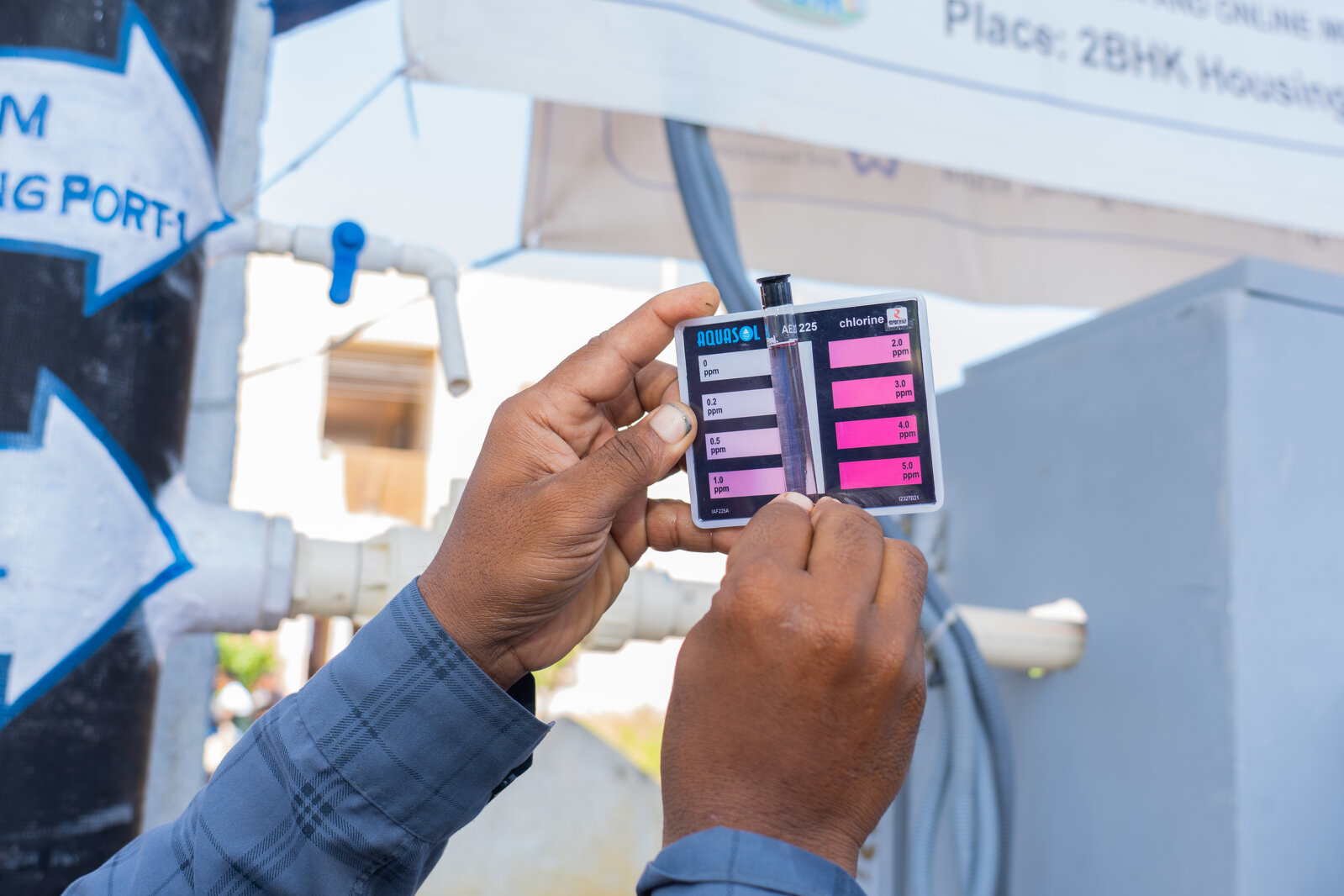
Local Adaptations
Our model is flexible by design. We adapt to local conditions without compromising core values. We consider:
- Choice of sensors/dosing technology
- Testing frequency beyond the minimum
- Data platforms and dashboards
- Community engagement methods and approaches
India – ACOM last-mile safety
We deploy ACOM on government overhead tanks and in-line distribution systems to automatically dose chlorine and to track in real time residual chlorine, pH, TDS, turbidity, flow, and availability. ACOM system alerts trigger rapid corrective action and reduce the need for manual data collection. The approach aligns with the Jal Jeevan Mission, the national program to provide safe and adequate drinking water and is supported by our funding partners. Phase one pilot included 23 tanks across 2 districts providing access to over 5,700 households.
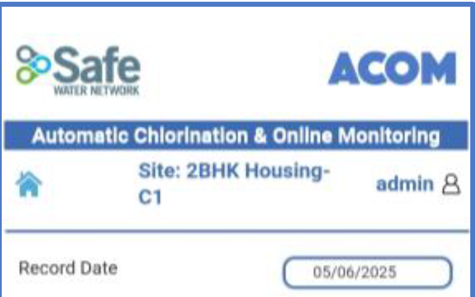
India – iJal station quality
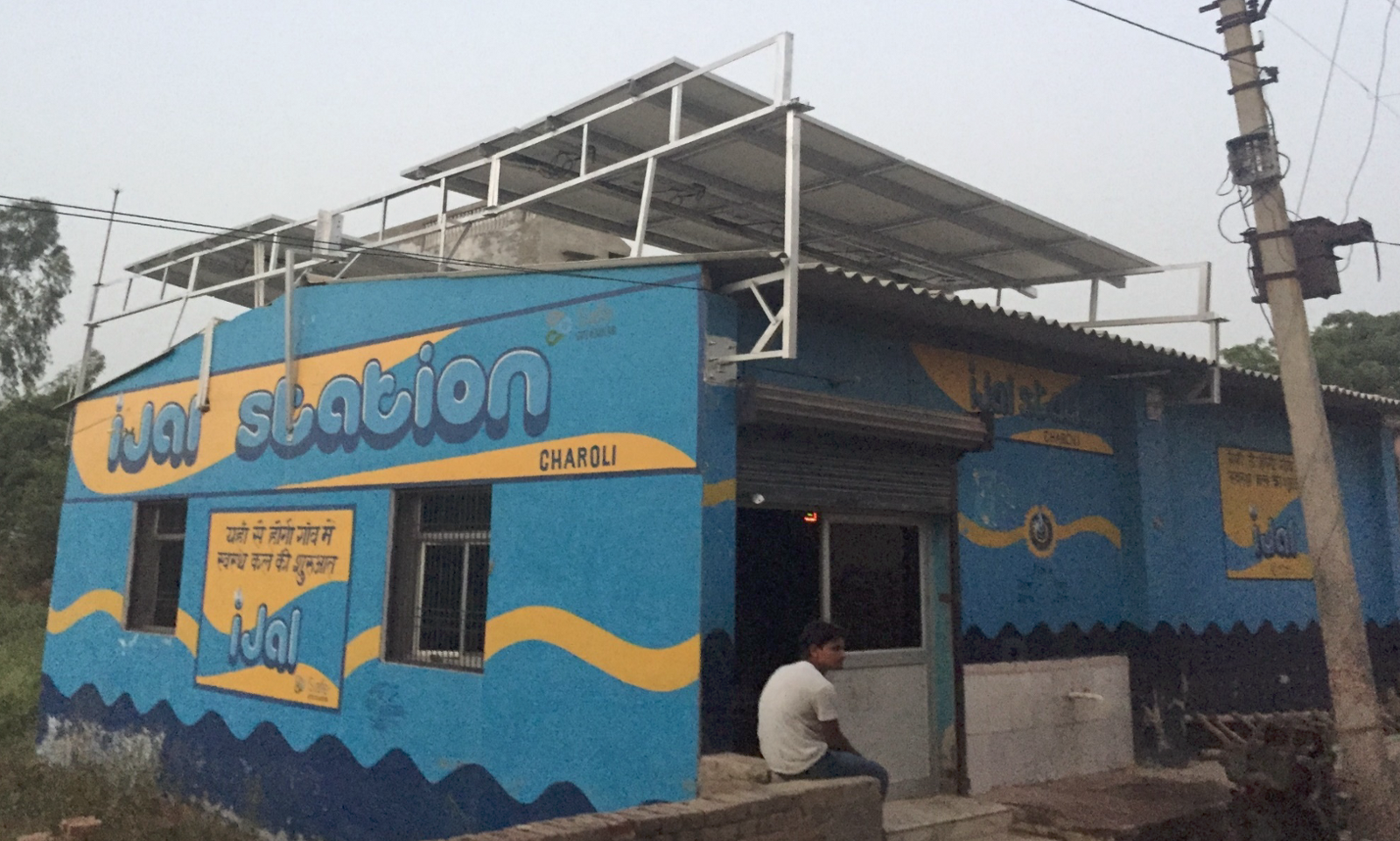
Our engineers and health professionals design and build iJal stations to exacting standards that are cost effective and easily replicated. Based in New Delhi, the team provides local operators and entrepreneurs with extensive training and ongoing support to ensure adherence to established water protocols. This includes mandatory on-site testing and quarterly independent third-party testing to ensure that iJal water meets or exceeds national standards. These iJal Stations are typically a water purification kiosk or Water ATMs, put up in a community of 2000 to 5000 people, in rural (~ 210) or peri-urban (~140) communities to solve local water quality and availability challenges.
Ghana – Station protocols and household connections
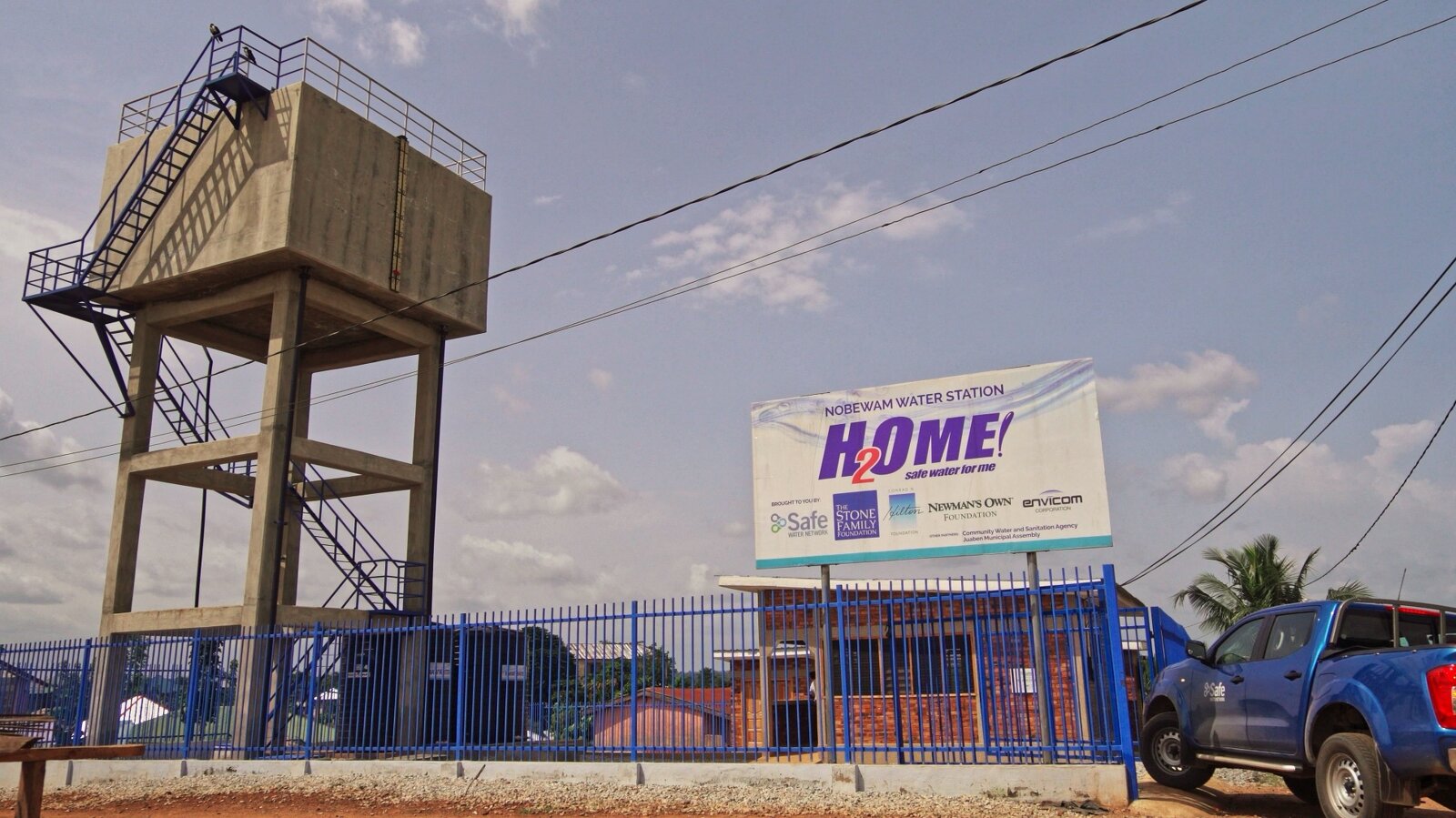
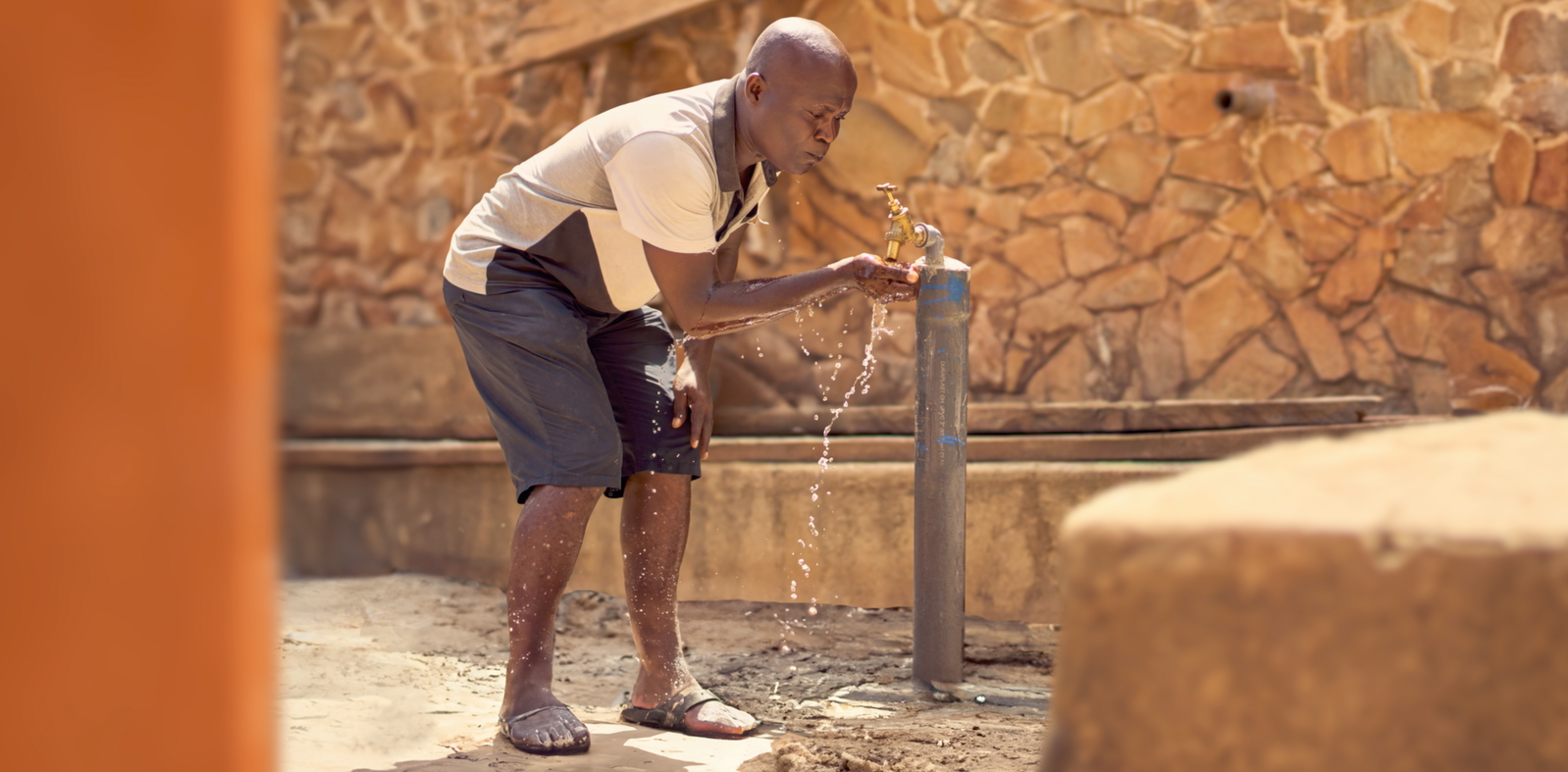
The decentralized network of 120 water stations, serving 650,000 people follow routine onsite testing and independent lab checks. Water stations with household connections incorporate monitoring practices that ensure water quality standards are maintained and deficiencies corrected. Water operators and outreach workers at each of the 120 water stations engage in consumer outreach that educates users about safe storage and hygiene to minimize re-contamination at the point of household connection.
To strengthen water quality management even further, SWN has introduced Water Safety Plans (WSPs) across 46 of its stations. This work has brought a more consistent and structured approach to monitoring and responding to water quality issues. New tools such as the Water Safety Plan Action Tracker and Water Quality Operational Logbook have made it easier to document corrective actions, track results, and maintain oversight across multiple locations.
Regular quarterly field audits by the Accra Head Office team have reinforced accountability and ensured that agreed mitigation measures are properly implemented. Together, these systems have created a transparent, data-driven approach to managing water quality across these stations, improved training, better testing logistics, stronger monitoring systems, and positive feedback from customers reflecting increased confidence in their water supply.
How this Innovation Fits into our Strategy
Water quality underpins field implementation, the technical assistance we provide to governments and implementers, sector convening around innovation, and policy advisory support to governments including on regulatory frameworks and national standards. By proving a repeatable, monitored, auditable safety system, we help partners scale what works.
Meet our Fodzuko Station Operator Leonard
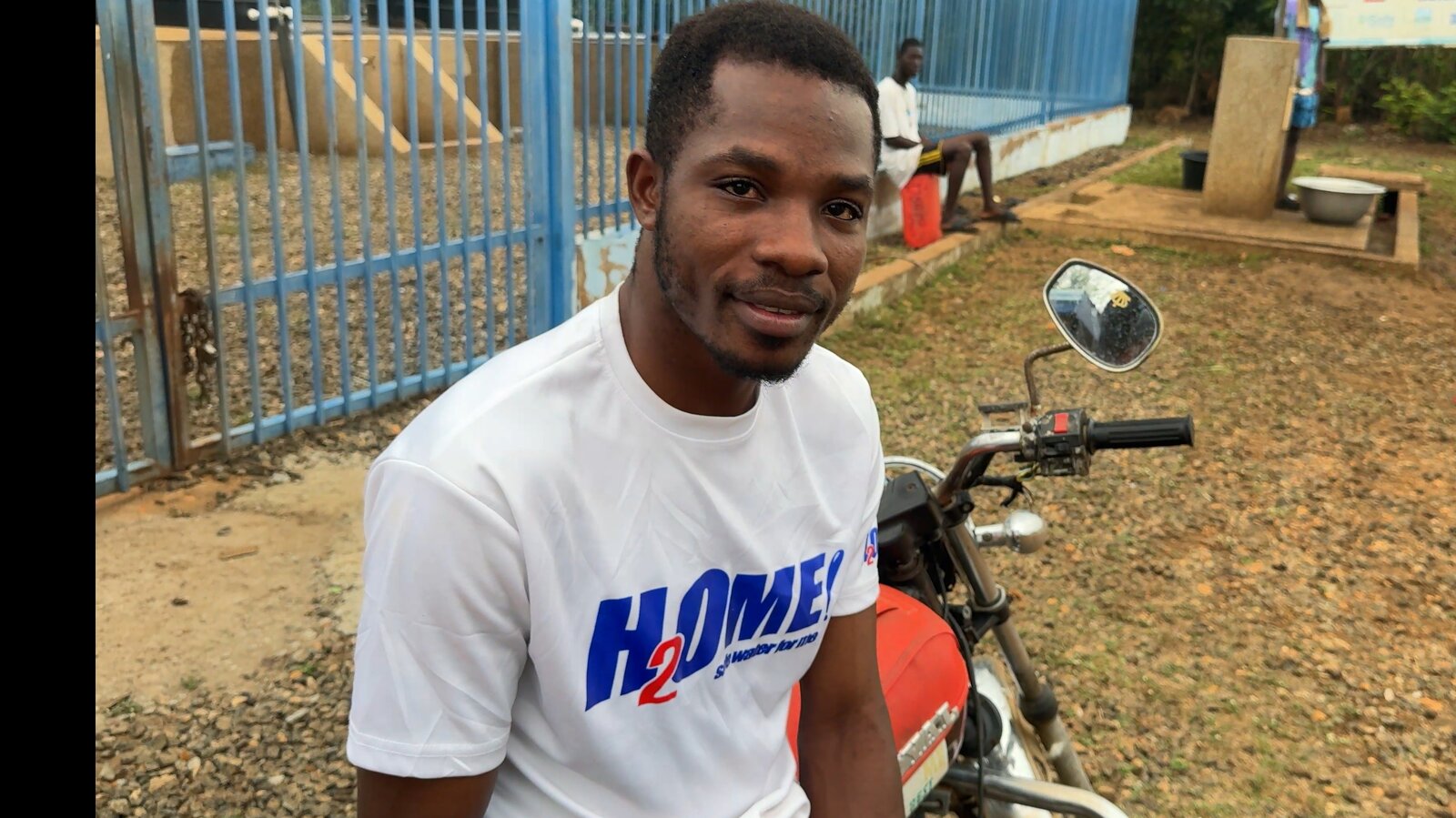
Leonard runs the Fodzoku Station in Ghana’s Volta Region. Lake Volta—the world’s largest man-made lake—is contaminated, so his job is to keep safe water flowing 24/7 and advocate for its use. Drawn to integrated science in school, he first learned water-purification methods when his community lacked affordable safe water. After earning a mechanical engineering degree from Kumasi Technical University, he says, “That training helps me maintain water quality at the station; if something breaks, I can usually fix it.”
Despite wider career options, Leonard returned to his 5,000-person hometown to run the Safe Water Network installed the station which had opened in 2016. He covers Fodzoku’s rutted roads by motorcycle to keep the plant and its three remote kiosks running, using remote sensors to spot issues early. He also checks in with the health clinic and the nearby school, both now piped directly to the system—freeing staff from hauling lake water and improving the school day for teachers and kids.
“I hope we can soon expand household connections so safe water is even more convenient for mothers and families in Fodzoku.”
Safe Water Network’s model is well established, outcome-driven, and well-suited for results-based contracting. Their commitment to accuracy and transparency in data reporting gives us confidence in both their impact and integrity.
Duncan McNicholl, co-founder & CEO, Uptime Global