
Financial Innovation: Targeted Subsidies
SWN works to keep tariffs nominal, but the poorest households still struggle to pay. With the Aquaya Institute, and support from the Conrad N. Hilton Foundation, we are piloting targeted subsidies that expand access while protecting station sustainability. Because we are early on in this pilot we do not have metrics to report. Instead, By the Numbers section below identifies the type of analysis the pilot is conducting.
The Innovation
The pilot combines transparent community processes with objective eligibility checks so support reaches those most in need.
Why it Matters
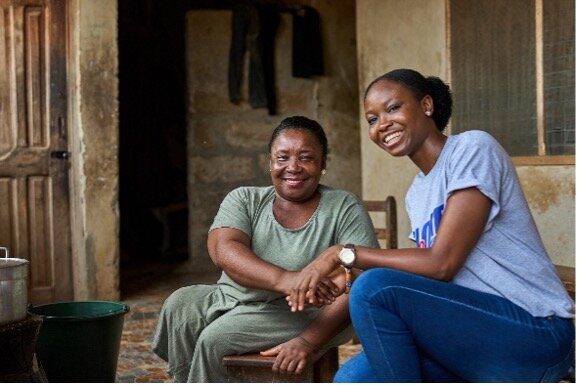
Access to safe water remains inequitable—coverage is far higher among wealthier households. Existing tools (e.g., national cash-transfer lists) are often seen as incomplete or unfair for water-specific targeting. This pilot tests practical, scalable ways to balance equity (who gets help) and sustainability (systems remain solvent).
How it Works
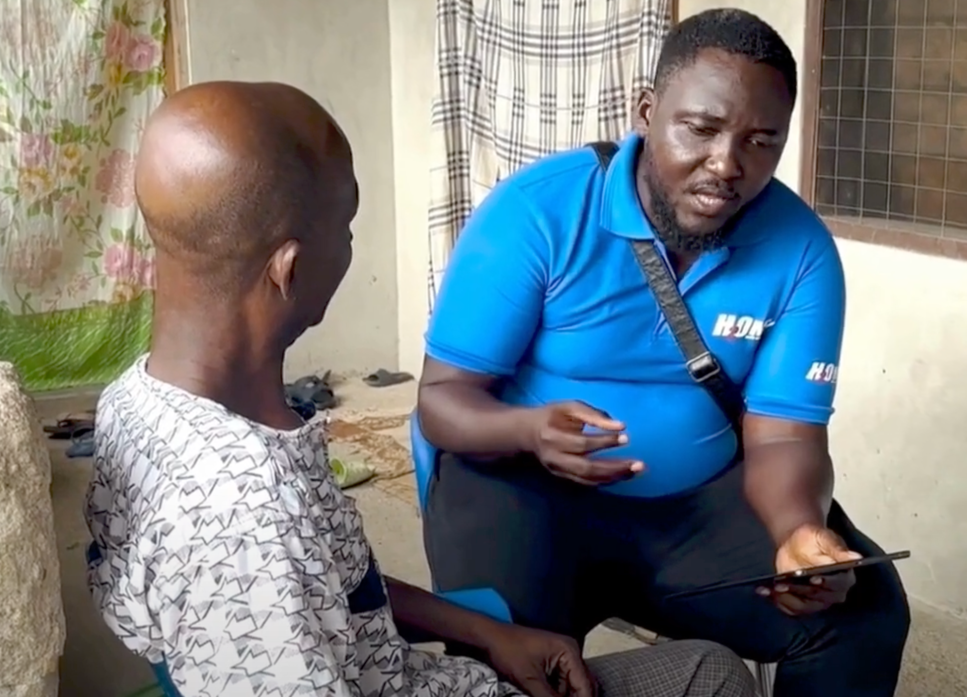
In 2–3 Ghanaian communities with both direct-piped and standpost service, subsidies are allocated through community consultation (for transparency) and proxy-means testing (for accuracy). Local Safe Water Committees—recognized leaders—govern enrollment and oversight to minimize errors and fraud in tight-knit settings where needs are well known. Essential elements include:
- Support delivered as standpost vouchers and discounted tariffs for household connections.
- Simple, verifiable eligibility criteria; periodic rechecks.
- Station monitoring tracks effects on sales, collections, and arrears.
- After six months, program will be evaluated.
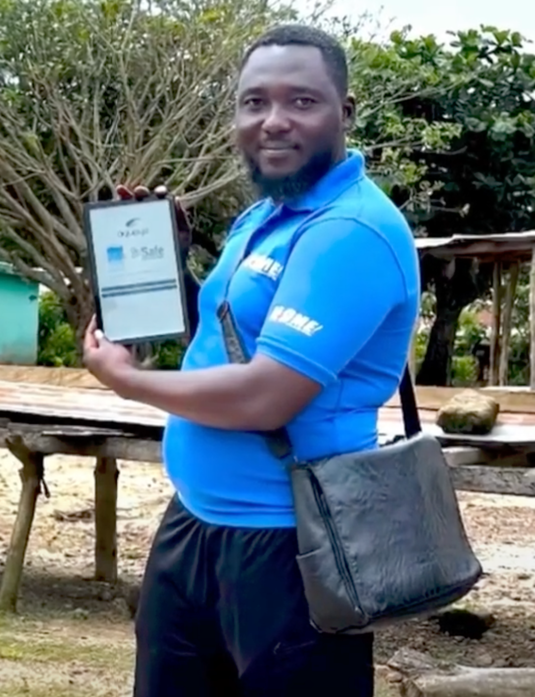
An App was created to survey potential subsidy households administered by SWN staff in the field.
Local Adaptations
India does not currently offer a household-connection subsidy. Lessons from Ghana will inform if, when, and how targeted support could complement India’s kiosk model without distorting prices or creating arrears.
Why it Works
- Expands affordable access for the poorest households.
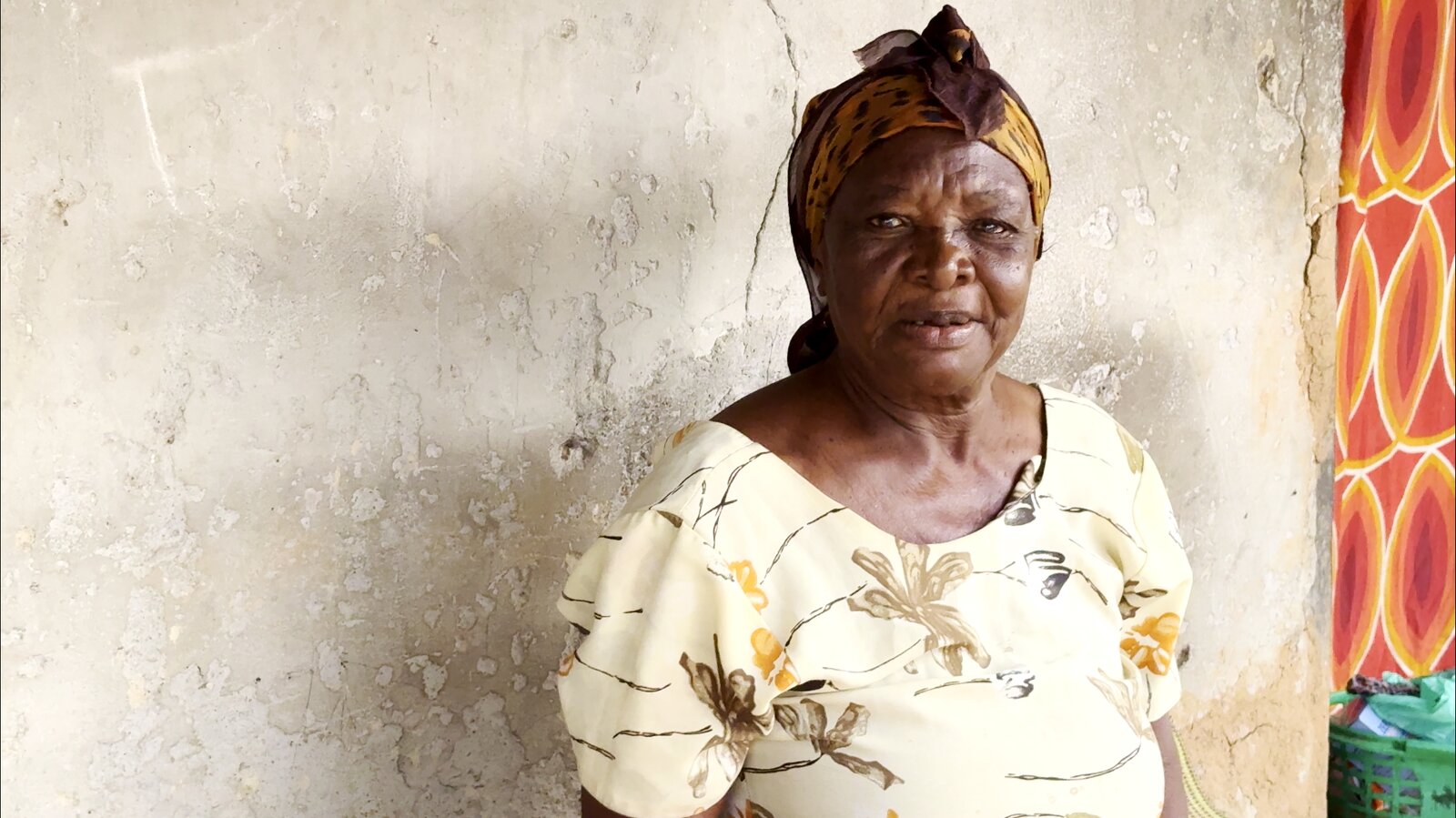
- Builds trust through visible, community-endorsed targeting.
- Generates operational guidance (e.g., compound vs. single-household connections, tariff calibration).
- Protects SWN sustainability by tying support to verified use and maintaining collections discipline.
"We are able to discount the water for the targeted household at their individual household meter."
Anna Murray, Deputy Director of Research, Aquaya Institute