
In India, Safe Water Network operates all of its iJal stations through a social franchising model. iJal is the brand developed by Safe Water Network India that is available to all franchisees.
By the Numbers
358
Stations
198
Entrepreneurs
111
Self-Help Groups
26
Community Groups
23
Urban Water ATMs
The Innovation
The social enterprise franchise network comprises 358 stations—entrepreneurs, self-help groups, community groups, and Urban Water ATMs—operating under a franchise framework overseen by a non-profit Social Entrepreneur (service entity). Safe Water Network developed the model and brand, sets operational standards, and provides training, certification, and monitoring to ensure all franchisees uphold iJal branding and performance guidelines.

Why it Matters
The model enables communities to manage safe-water systems while earning livelihoods. Shifting operations to local stakeholders strengthens accountability, efficiency, and resilience—supporting reliable service, high water quality, strong uptime, and affordable tariffs. It delivers a sustainable operational and financial approach that gives families affordable access and creates entrepreneurial and employment opportunities.
How it Works
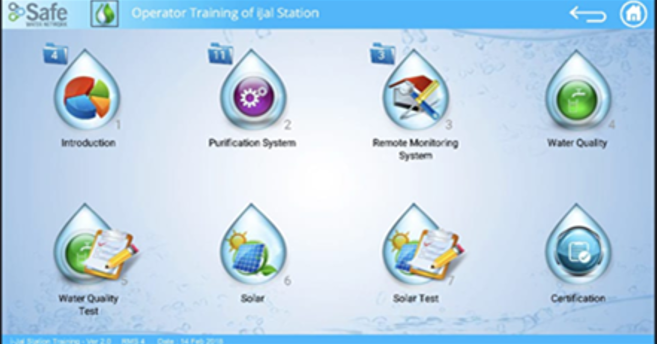
Franchisees receive training and support, including digital toolkits and modules for operators and technicians, to ensure sound technical and financial management. Safe Water Network created a number of on-line training modules including a comprehensive iJal Station Operation Module for operators and technicians.
The Financial Management module helps operators, entreprenuers, and self-help groups with the fundamentals of bookkeeping and management.
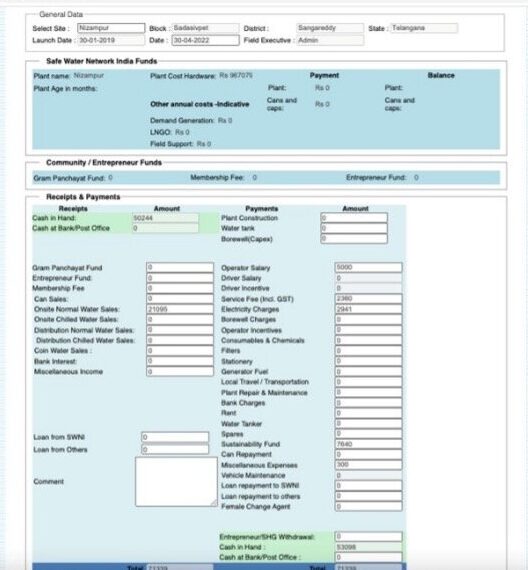
iSWEET Toolkit is a suite of practical tools developed for public and private professionals to operate and sustain safe water enterprises through social entrepreneurship. The toolkit comprises 10 modules, 30 tools, and 60 sub-tools.
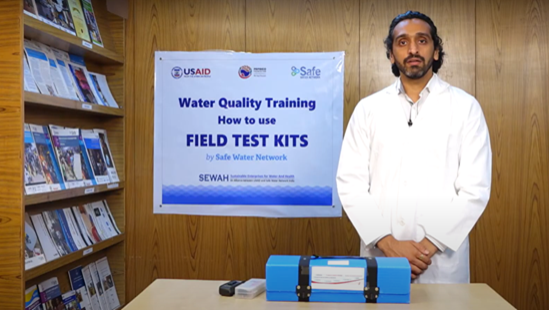
Water Quality Training with Field Test Kits: This hands-on training Module teaches operators, and technicians how to use these kits to ensure that water is safe for drinking.
Operating formats include public–private partnerships, company-owned and operated (COO), and company-owned, community-operated (COCO).
Local Adaptations
Ghana has not introduced the social enterprise franchise approach.
Meet the Namiligonda iJal Station Manager: Mrs. A. Lalitha
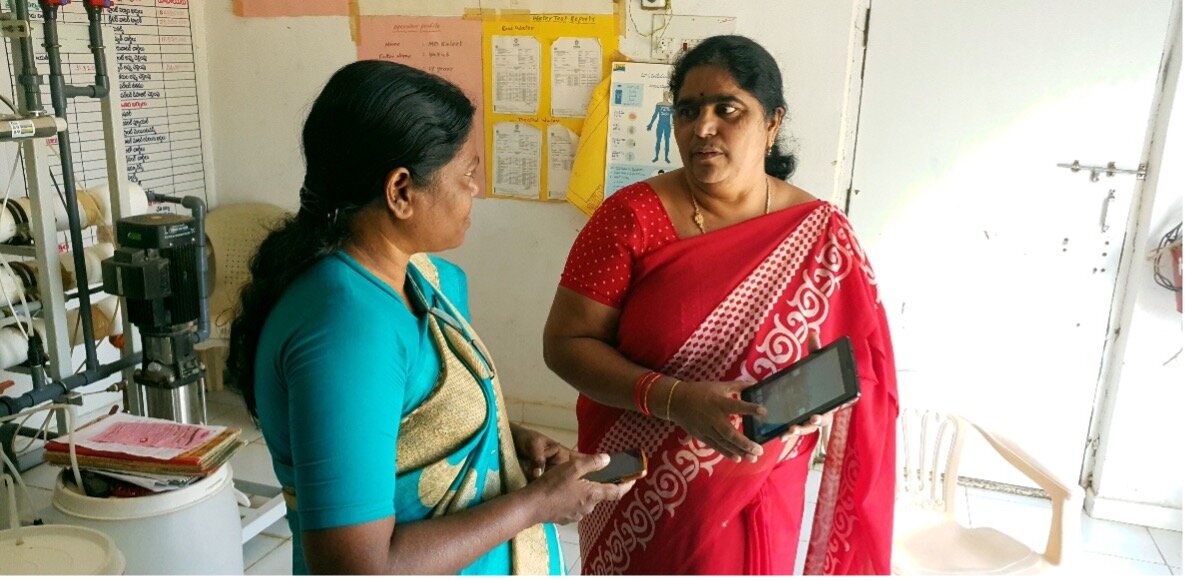
In Namiligonda village of Jangaon district, Telangana, the iJal Safe Water Station is more than a source of clean drinking water — it is a symbol of women’s empowerment and leadership in community development.
Commissioned on May 30, 2014, the station is managed by Mrs. A. Lalitha, a dedicated woman operator, who has transformed not only her livelihood but also the way women in her village perceive opportunity and self-reliance.
Balancing her family responsibilities with her entrepreneurial role, Lalitha learnt how to use a computer tablet as a sign of digital innovation to automate her daily operations at the iJal station. She has mastered the use of digital tools in her daily operations — using a tablet to record income, expenses, and maintenance fund management, ensuring financial transparency and operational efficiency. The same tablet serves as a marketing and awareness tool, featuring audio-visual spiels in local languages that engage households on water quality, hygiene, and the importance of purified water.
Her efforts have fostered strong community trust, reflected in consistent daily sales of about 100 cans. Each morning and evening, Lalitha visits the station to recharge customers’ RFID cards, ensuring uninterrupted access to safe water. The fully automated plant operates around the clock, with real-time monitoring guaranteeing water safety and maintaining 99% uptime.
A 10th-grade pass and homemaker-turned-entrepreneur, Lalitha is also a proud mother of two graduate sons. Her journey from managing a household to managing a digital water enterprise has inspired other women in her village to seek similar opportunities for economic independence and leadership.
The Namiligonda iJal Station stands today as a beacon of women-led progress — demonstrating how technology, determination, and community trust can empower women to lead sustainable change and improve health.
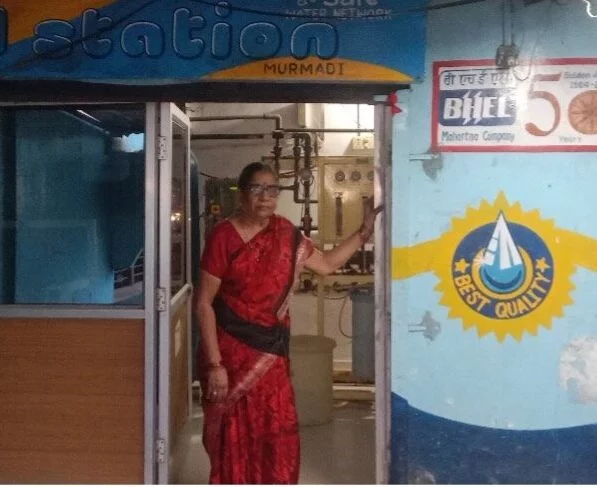
"My investment in the iJal Station not only secured my family’s future but also brought safe water and good health to my community. It proved that women can build both business and impact."
Bharti Halmare, iJal Safe Water Station Entrepreneur, Murmadi Village