As Drought Grips Maharashtra, Taratgaon’s Wells Still Hold Water
The 2026 monsoon failed much of Maharashtra
India’s southwest monsoon ended on September 30 almost 13% below normal, according to the India Meteorological Department. Maharashtra was among the hardest hit. On September 25, the state government declared drought in 265 of its 358 talukas, about three-quarters of the state. Solapur district recorded a 57% rainfall deficit, among the steepest in the state. Forecasters link the weak monsoon to El Niño, which the World Meteorological Organization says is firmly established and likely to last until February 2027.
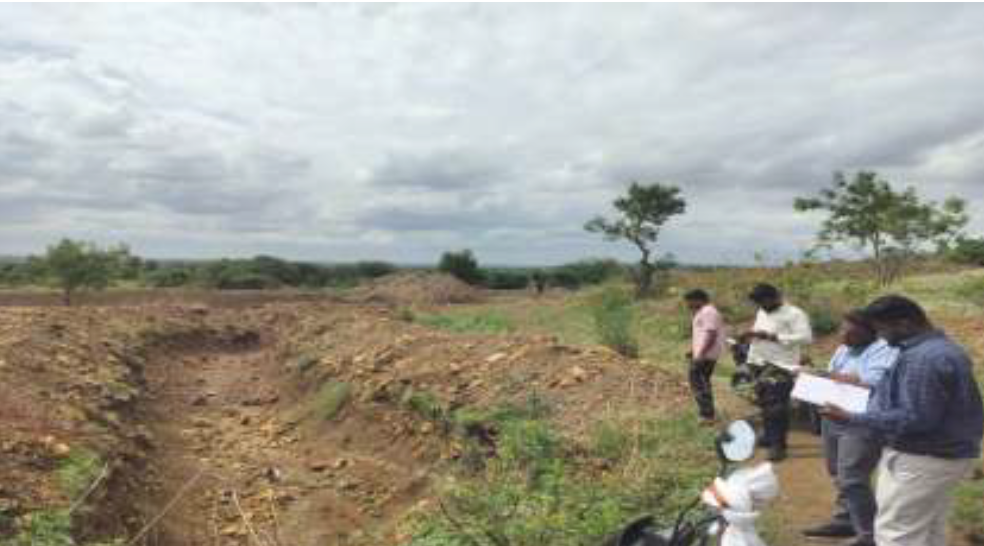
The human cost is already visible. In Tulshi, a village in Solapur’s Madha taluka, residents who now rely almost entirely on tankers for drinking water put up boards declaring their village “for sale,” its price the cost of water. They began a hunger strike on September 14 to press for a permanent solution.
A different story in Taratgaon
Taratgaon lies in Karmala taluka, in the same district. It sits in a rain-shadow area that receives only about 483 mm (19 inches) of rain in a normal year. Its black soils hold little water, and for years wells ran dry by February, rain-fed crops failed in dry spells, and families depended on tankers in summer.
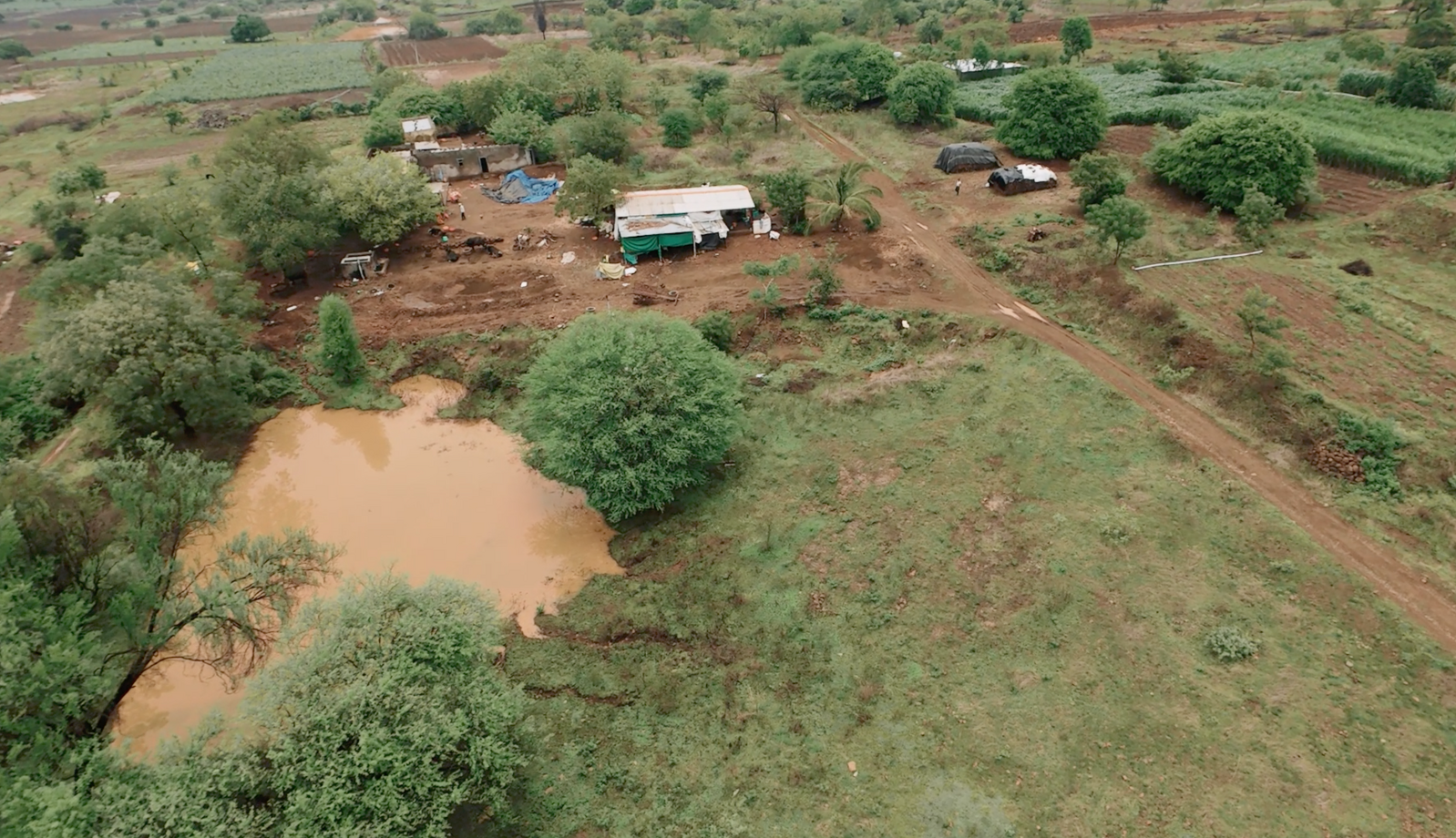
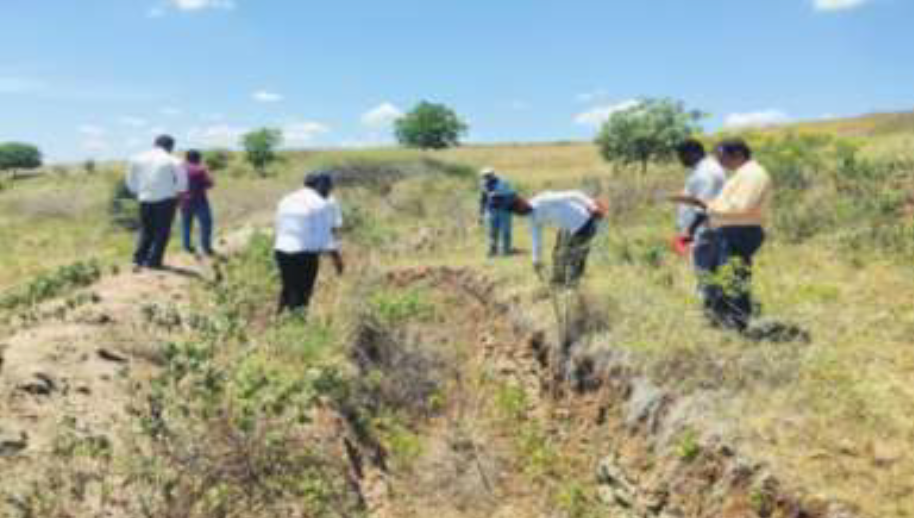
Since 2023, Safe Water Network India has partnered with the Taratgaon watershed committee and NABARD (National Bank for Agriculture and Rural Development) on a watershed development project built around one idea: slow the rain down and let it soak in. As of early October 2026, the project had completed:
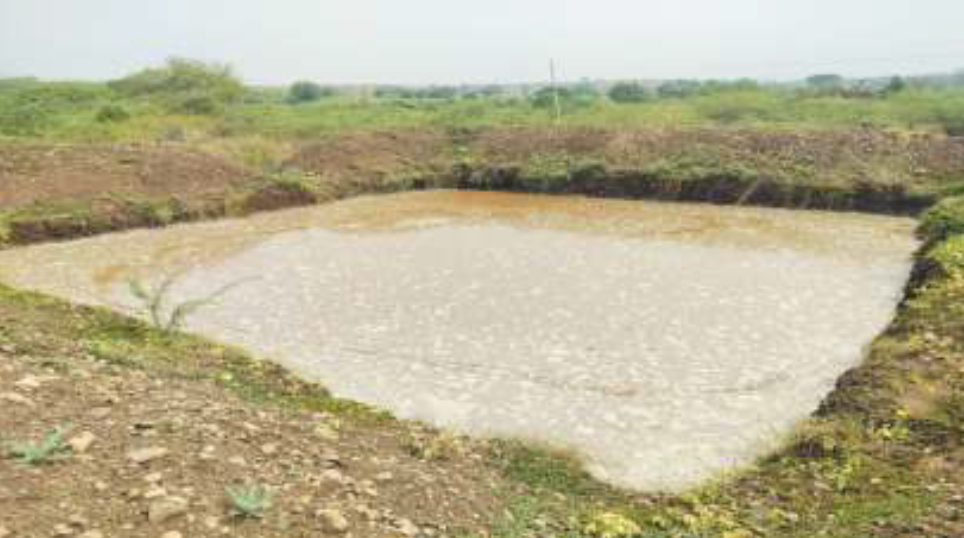
- 13 recharge ponds, each 15 m x 15 m x 3 m, with inlet and outlet works
- 3,793 cubic metres of Doha-model works, which widen and deepen drainage lines so runoff pools and percolates instead of flowing away
- 5,141 cubic metres of water absorption trenches and 1,079 cubic metres of continuous contour trenches, covering more than 80 hectares each
- 9 loose boulder structures and 3 borewell recharge structures
- Grass seeding on the trenches and bunds to hold soil in place
One rain was enough to show the difference
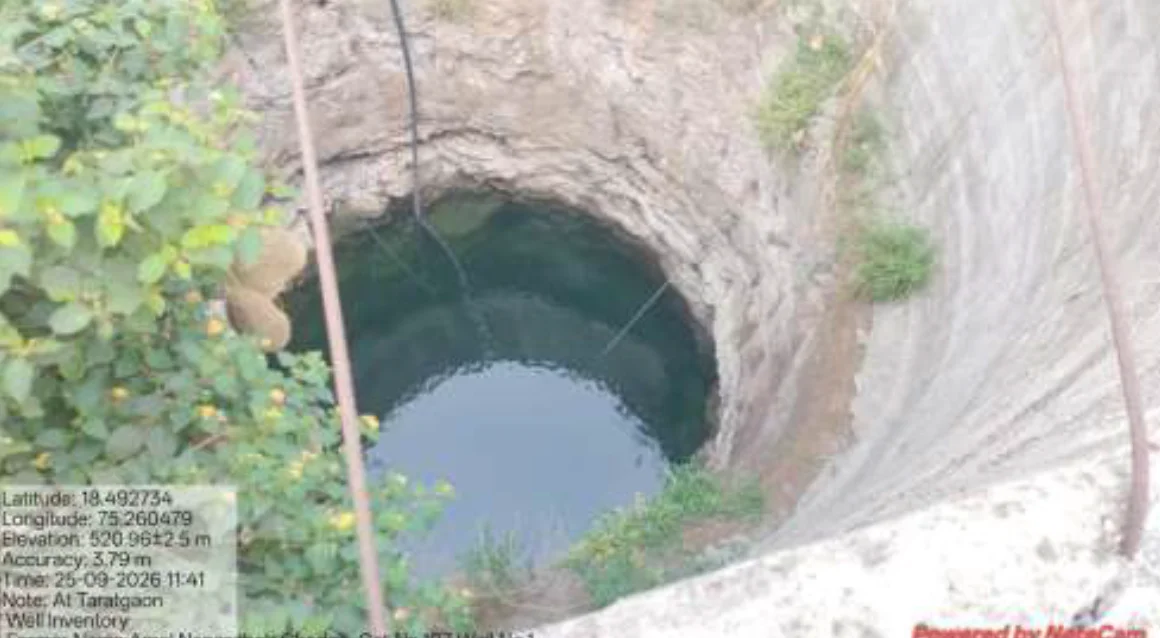
This monsoon brought Taratgaon essentially one meaningful rainfall, on September 21. The structures held it. Geotagged photographs taken by our field team between September 22 and 25 show ponds and Doha trenches full of water and irrigation wells refilling.
Farmers report that the community borewell has enough water and that irrigation wells have started yielding water for crops again. None of the seven villages where we work in the area has required tanker water so far this year, while other villages in the district already depend on them.
A NABARD team visited the project and held a review meeting on October 9, 2026, following nine NABARD monitoring visits during the project.
Using less, not just storing more
Recharge only goes so far if water is used inefficiently, so the project also promotes water-saving irrigation. Through the NABARD project, 61 farmers have installed drip irrigation on 61 acres, 21 farmers use rain-pipe irrigation, and 4 have adopted sprinklers. In our other geographies, we have run demonstrations of drip and sprinkler systems to encourage the same shift. An automatic weather station installed in the village now sends weather and crop advisories to around 400 farmers, helping them time irrigation and sowing.
Honest about the months ahead
A single rain does not make a water year. If the dry spell continues, Taratgaon may still need tanker water after December. Over the next three months the team will complete the remaining trench, farm bunding and Doha works so the watershed can capture more from any rain that does come. Tree and horticulture planting will follow once there is enough rainfall for saplings to survive.
Why this matters for safe drinking water
Our project area already had household tap connections under the government’s Jal Jeevan Mission and a Water ATM set up by the gram panchayat before our work began. That infrastructure is essential, but pipes and treatment units are only as dependable as the source that feeds them. In a drought year, groundwater recharge is what decides whether taps keep running or a village waits for the tanker.
That is the case for pairing safe water delivery with source protection. As El Niño years become a recurring feature of India’s climate, the communities that come through best will be the ones that captured the rain when it finally fell.
Safe Water Network India implements the Taratgaon watershed development project with support from NABARD.