Field Implementation, Sector Engagement | Ghana | Assessment
April 2026GHANA’S SWE MARKET: 2025 IN REVIEW
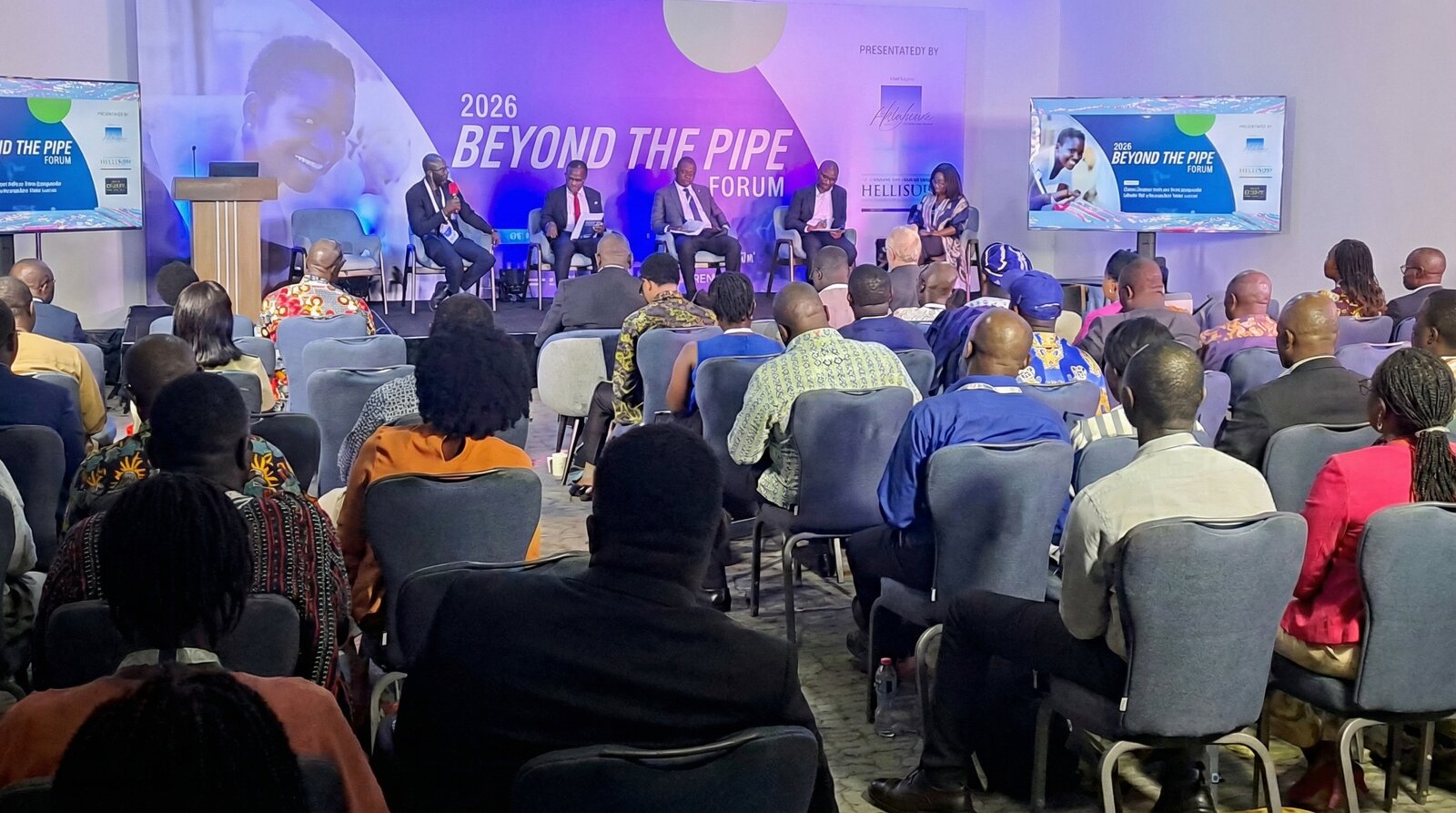
Last month, Safe Water Network convened the 16th Beyond the Pipe Forum in Accra bringing together private, public, and NGO members of the Safe Water Enterprise Alliance. The Forum kicked off with a new market update documenting a year of steady, measurable progress across Ghana’s safe water enterprise system.
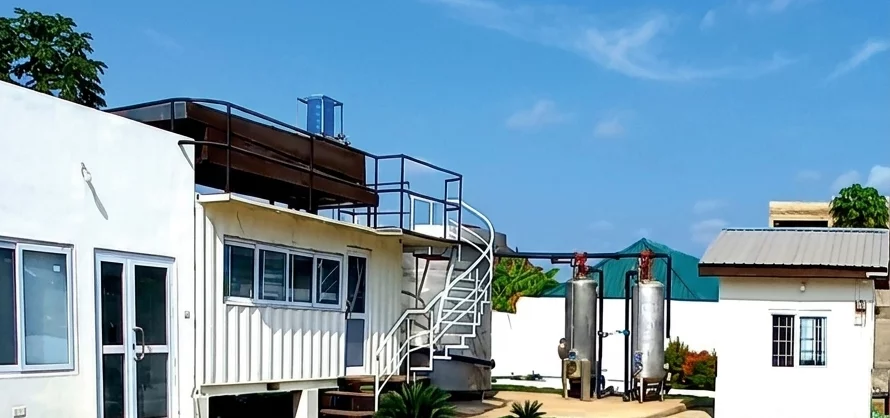
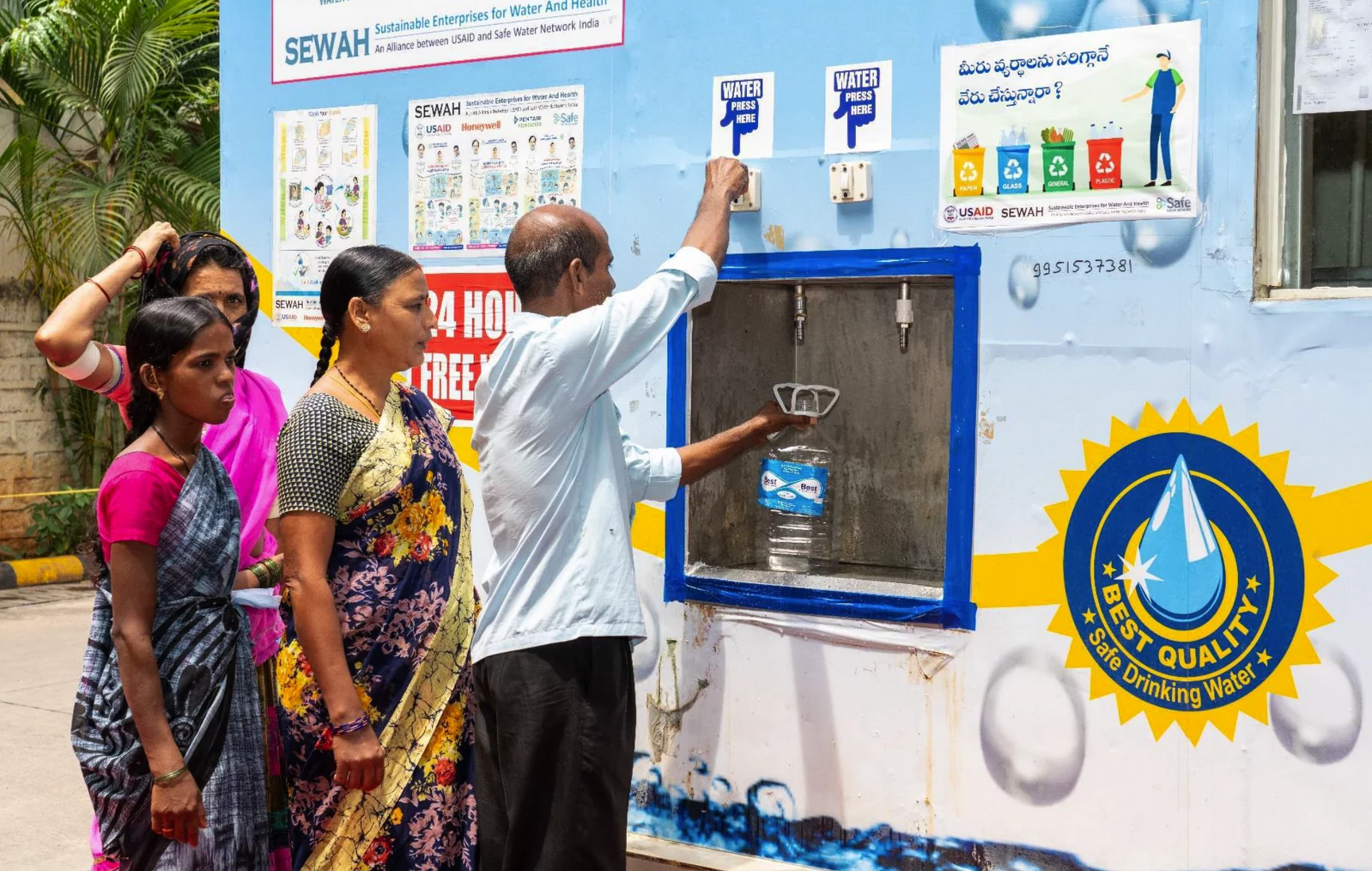
In 2025, seven active implementers of the SWE Alliance collectively reached 92,788 people, brought 33 new communities into their footprint, and installed 53 new systems across 16 regions. Cumulative population reached now stands at more than 1.1 million people.
Importantly, water quality is high. This year, 4,696 households transitioned to safely managed service — water that is reliably available, treated, and accessible at home. For its part, Safe Water Network concluded a social impact assessment across 2,534 connected households and found that 88.3% reported meaningful improvements in health, finances, and education.
Research released this year also shed new light on the financial realities of last-mile water delivery. A cost study by Saha Global found that an annual subsidy of $2.77 per person is required to sustain service to the hardest-to-reach communities. A parallel O&M financing analysis confirmed that tariff-only models fall short — cost recovery averaged just 64%, declining further in larger communities. These findings are not discouraging. They are clarifying. They point toward the financing structures the sector needs to build.
Drawing upon the market update, the participants of the Forum agreed to establish coordination procedures in two districts to channel previously disparate private, public and NGO water implementors to ensure complete coverage of safe water services. The district coordination planning will involve representatives of leading NGOs, private operators, District Assemblies, Regional Government, and the Ministry of Public Works. The participatory planning process will generate recommendations to enable safe water enterprises to operate effectively and to secure financing from public and private sources.
SWN’s 16th Beyond the Pipe Forum generated lots of press. Here are a few links of that coverage:
Modern Ghana
Ghana Web
Peace FM Online
Read more about our event here
GHANA’S SWE MARKET: 2025 IN REVIEW
Last month, Safe Water Network convened the 16th Beyond the Pipe Forum in Accra bringing together private, public, and NGO members of the Safe Water Enterprise Alliance. The Forum kicked off with a new market update documenting a year of steady, measurable progress across Ghana’s safe water enterprise system.
In 2025, seven active implementers of the SWE Alliance collectively reached 92,788 people, brought 33 new communities into their footprint, and installed 53 new systems across 16 regions. Cumulative population reached now stands at more than 1.1 million people.
Importantly, water quality is high. This year, 4,696 households transitioned to safely managed service — water that is reliably available, treated, and accessible at home. For its part, Safe Water Network concluded a social impact assessment across 2,534 connected households and found that 88.3% reported meaningful improvements in health, finances, and education.
Research released this year also shed new light on the financial realities of last-mile water delivery. A cost study by Saha Global found that an annual subsidy of $2.77 per person is required to sustain service to the hardest-to-reach communities. A parallel O&M financing analysis confirmed that tariff-only models fall short — cost recovery averaged just 64%, declining further in larger communities. These findings are not discouraging. They are clarifying. They point toward the financing structures the sector needs to build.
Drawing upon the market update, the participants of the Forum agreed to establish coordination procedures in two districts to channel previously disparate private, public and NGO water implementors to ensure complete coverage of safe water services. The district coordination planning will involve representatives of leading NGOs, private operators, District Assemblies, Regional Government, and the Ministry of Public Works. The participatory planning process will generate recommendations to enable safe water enterprises to operate effectively and to secure financing from public and private sources.
SWN’s 16th Beyond the Pipe Forum generated lots of press. Here are a few links of that coverage:
Modern Ghana
Ghana Web
Peace FM Online
Read more about our event here