
Vasundhara: Environmental Sustainability and Biodiversity Enhancement
By: Safe Water Network, Pricewaterhouse Coopers, Demetrix Infotech, ICAR-Indian Institute of Horticultural Research
India faces escalating environmental pressures driven by land degradation, declining groundwater, shrinking water bodies, and climate volatility. Safe Water Network India’s Vasundhara program responds to these challenges through an integrated, community-led approach to ecosystem restoration that combines land and water rejuvenation, biodiversity enhancement, climate action, and livelihood creation.
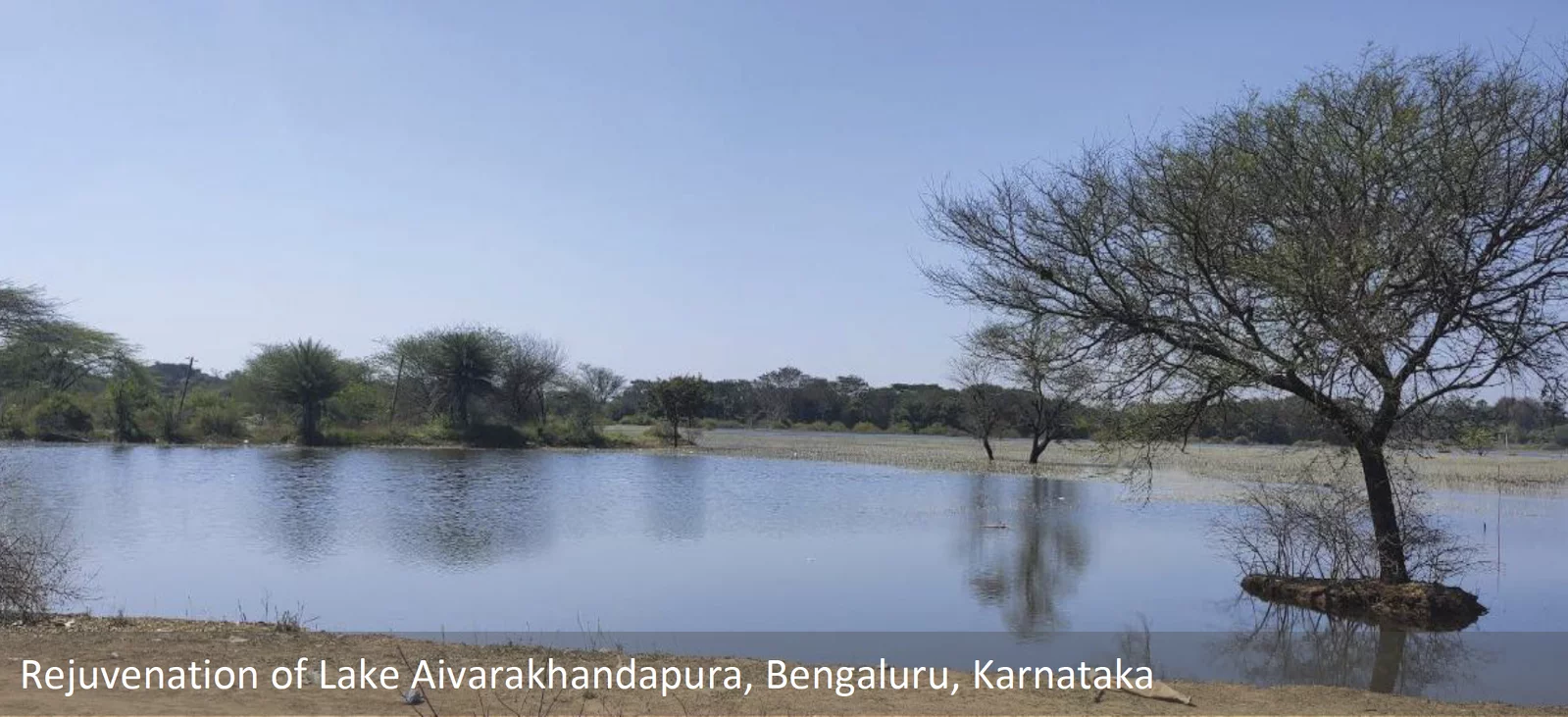
Operating across urban and peri-urban landscapes, Vasundhara focuses on two ecologically stressed regions: the Aravalli range in Gurugram, Haryana, and Lake Aivarakhandapura in Bengaluru, Karnataka. The program is designed not only to restore natural systems, but also to strengthen local institutions so that environmental gains are sustained well beyond the implementation period.

A Coordinated Restoration Model
Vasundhara integrates multiple interventions into a single, coordinated framework:
-
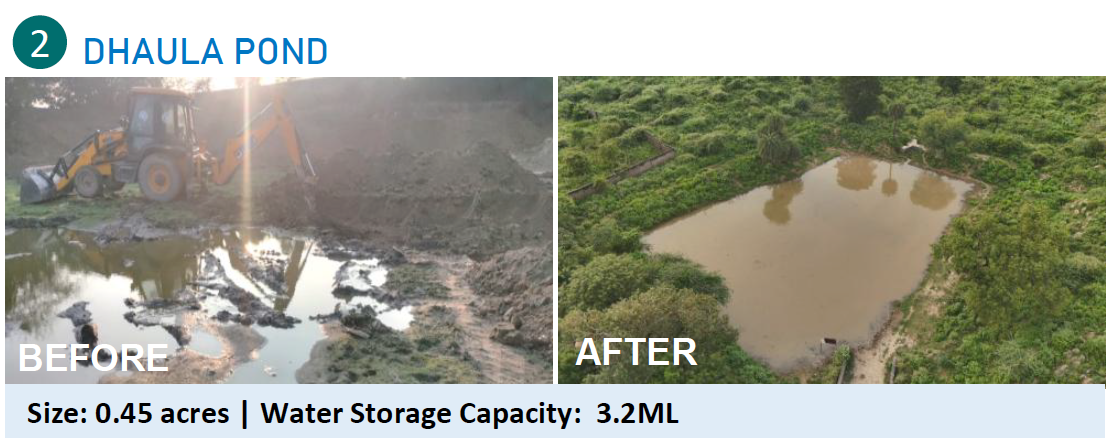
Land and water restoration, including watershed strengthening, pond and lake rejuvenation, soil conservation, and groundwater recharge
-
Climate action, through renewable energy installations, tree plantation, and green infrastructure
-
Biodiversity enhancement, emphasizing native species, habitat restoration, and conservation of urban and peri-urban ecosystems
-
Livelihood creation, linking ecological restoration to income-generating opportunities for farmers, women, and youth
The program prioritizes data-driven planning and monitoring, using GIS-based assessments, remote sensing, soil and water testing, and hyperlocal weather data to guide interventions and measure outcomes. These technical tools are paired with strong community governance structures—including watershed committees, biodiversity groups, and self-help collectives—that assume long-term responsibility for managing restored assets.
Measurable Outcomes to Date
As of December 2025, Vasundhara has delivered measurable environmental and social impact across 114 villages in Haryana and Karnataka:
-
~900 million liters of water storage capacity restored or enhanced
-
10,000+ hectares of land improved through soil and water conservation measures
-
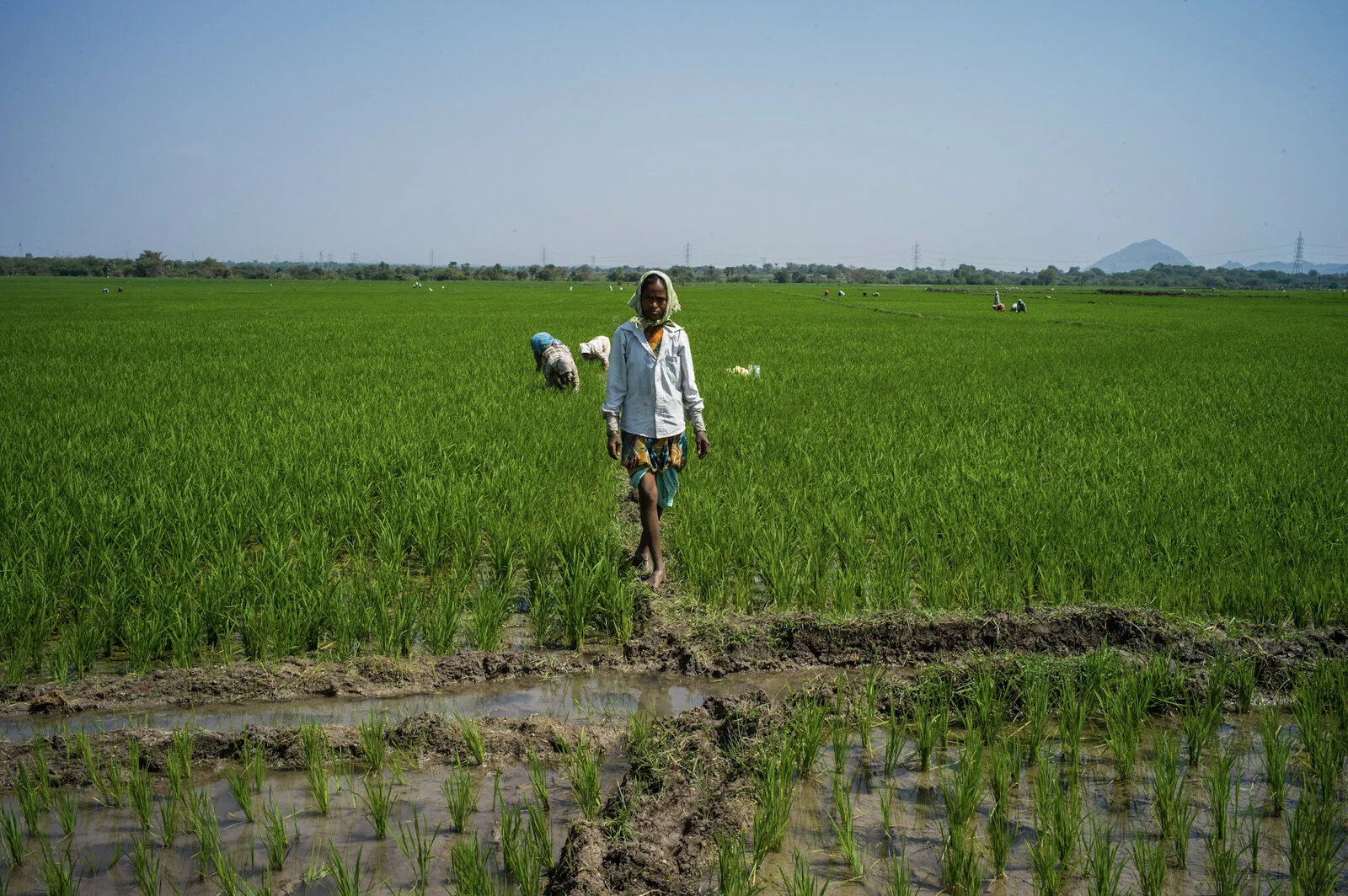
14,000 farmers engaged in climate-resilient and sustainable agricultural practices
-
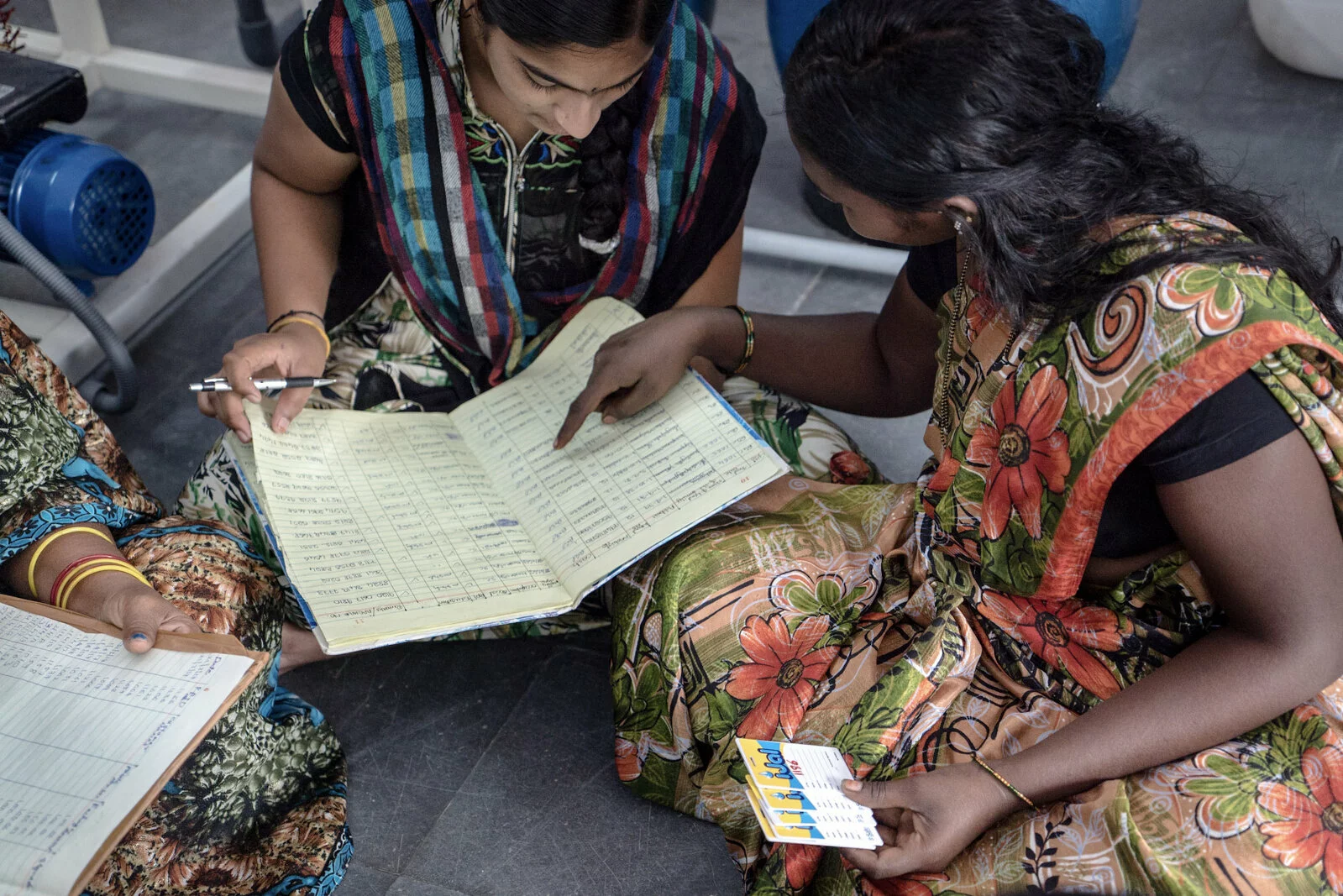
15,000 community members trained, with a strong emphasis on women and youth participation
These outcomes reflect both physical restoration—such as rejuvenated ponds, restored lake areas, and improved soil health—and institutional strengthening that supports ongoing stewardship and resilience.
Designing for Scale and Replication
What distinguishes Vasundhara is its emphasis on durability and replication. By embedding restoration efforts within local governance systems and aligning them with government programs, academic partners, and CSR investments, the model is designed to scale across other urban and peri-urban regions facing similar ecological stress.
As climate risks intensify and pressure on natural resources grows, Vasundhara offers a practical blueprint: restore ecosystems, strengthen institutions, and improve livelihoods—together.