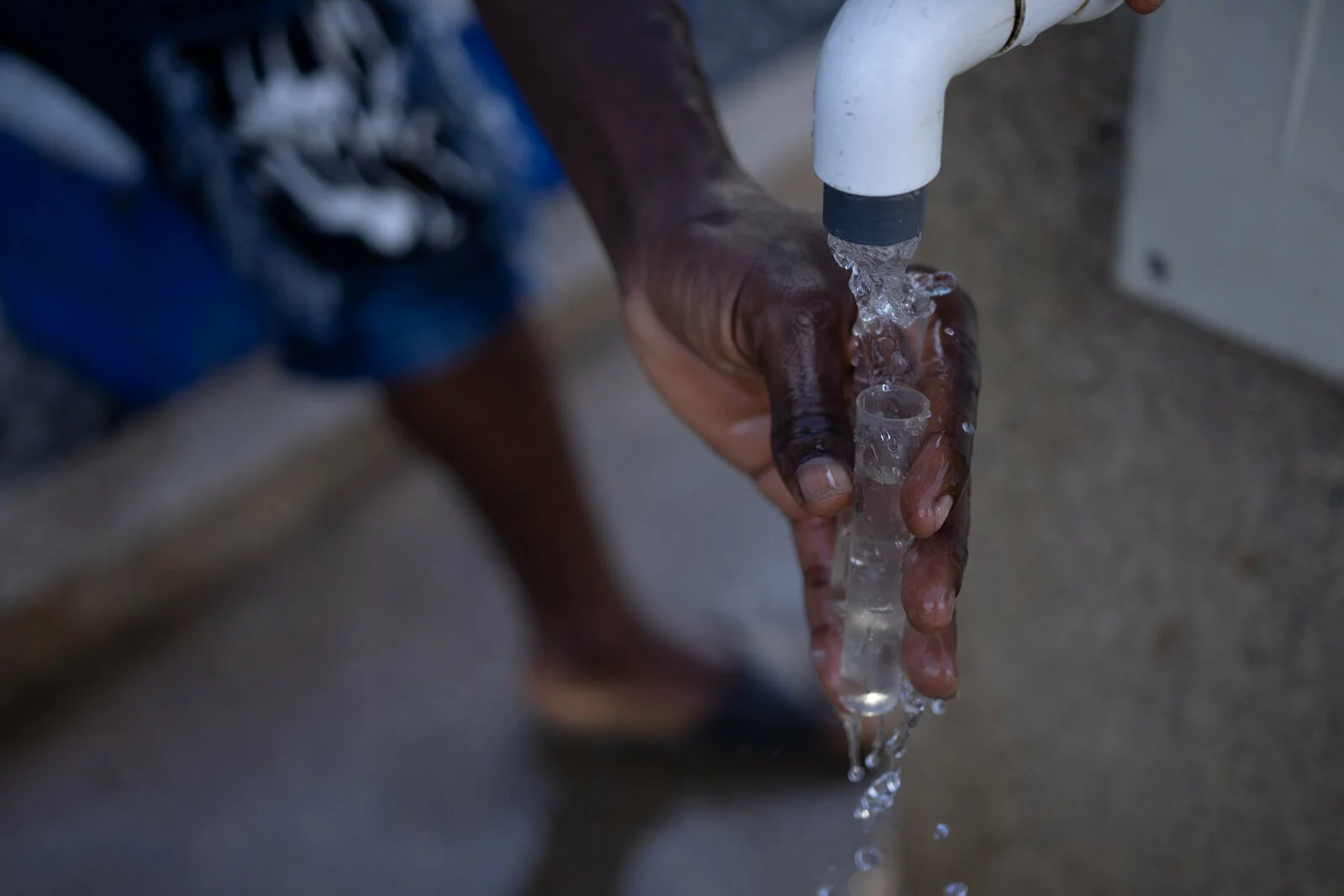
Assessment of a Simple, Cost-Effective Method to Test for Fecal and Environmental Contamination of Water Supplies
This report explores the financial benefits of ground-tested methods for microbial testing onsite.



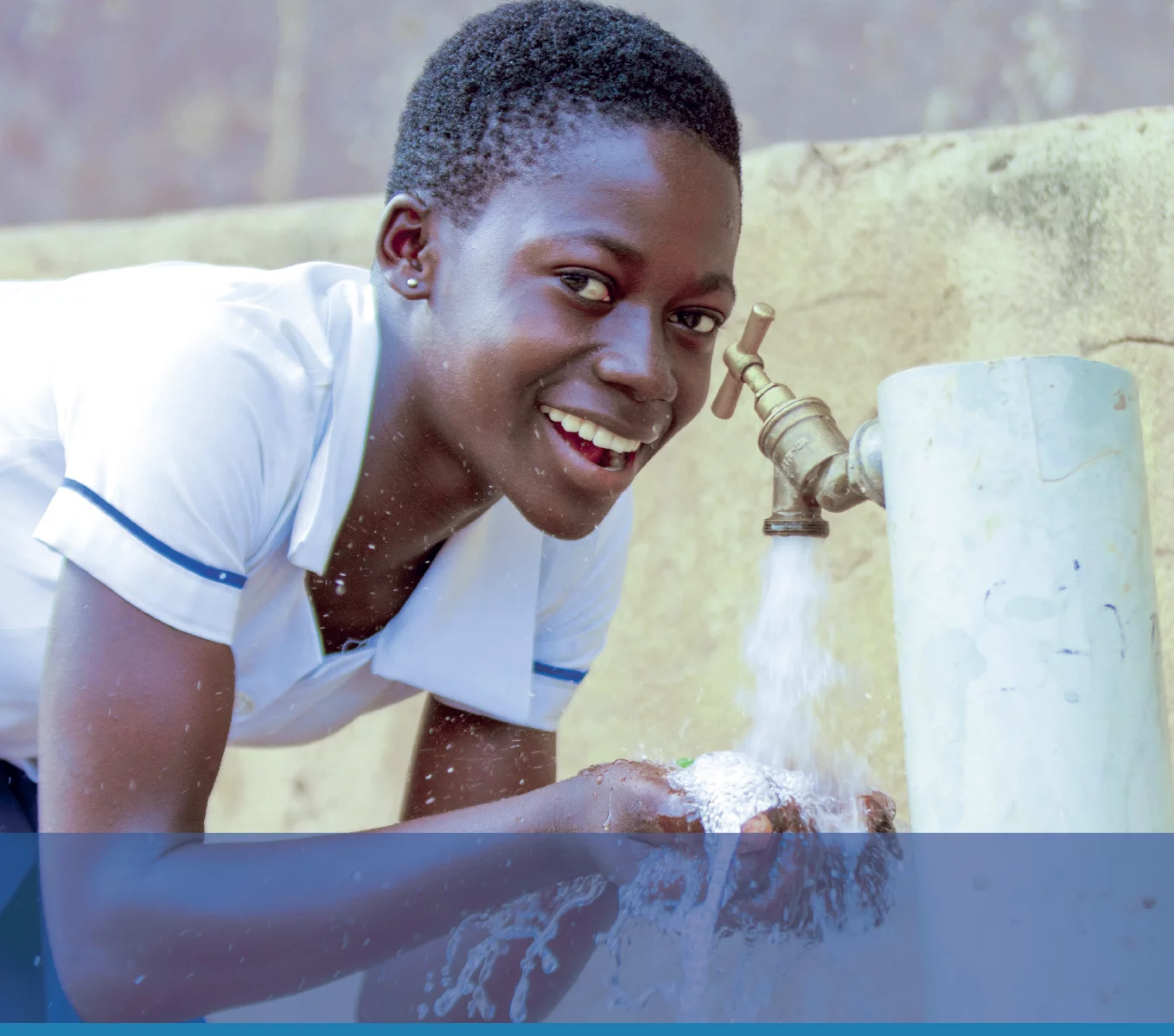
Safe Water Network's 2025 Ghana market update documents another year of measurable progress — 92,788 people reached, 53 new systems installed, and cumulative reach now exceeding 1.1 million people across 747 communities. New research also sheds light on the financing structures needed to bring safe water to Ghana's hardest-to-reach communities.
April 2026
Vasundhara demonstrates how integrated, community-led ecosystem restoration can deliver measurable environmental, climate, and livelihood outcomes at scale. Working across urban and peri-urban India, the program offers a replicable model for restoring land and water systems while strengthening local institutions.
January 2026
This report explores the financial benefits of ground-tested methods for microbial testing onsite.
Samantha Tamma from Naandi Community Water Services, an SWE Alliance member, speaks about the strategies to mobilize communities and create water, sanitation, and hygiene (WASH) awareness.
Madhu Krishnamoorthy from WaterHealth India, an SWE Alliance member, talked about consumer convenience in the distribution of water.
In the first session of Safe Water Network India's Clean Water Talks "Paani pe Charcha,” Dr. Parag Agarwal from JanaJal, an SWE Alliance member, discusses their innovative Water on Wheels (WOW) technology solution.
In this second installment of the Innovations webinar series, “The Evolved Solution: How Field Experimentation Can Enhance Tech Implementation for Better Outcomes,” three water innovators discuss how they used human-centered design and field experimentation to optimize their technology solutions.
India’s urban water supply services have tried Public-Private Partnerships (PPPs) since the 1990s. However, PPPs have received project-specific engagement rather than it assuming a sector-wide approach. Recent trends indicate a growing interest in water PPPs, and more projects are coming under its ambit. Appropriate interventions can help the private sector play a more significant role, especially in investment and service quality improvement.
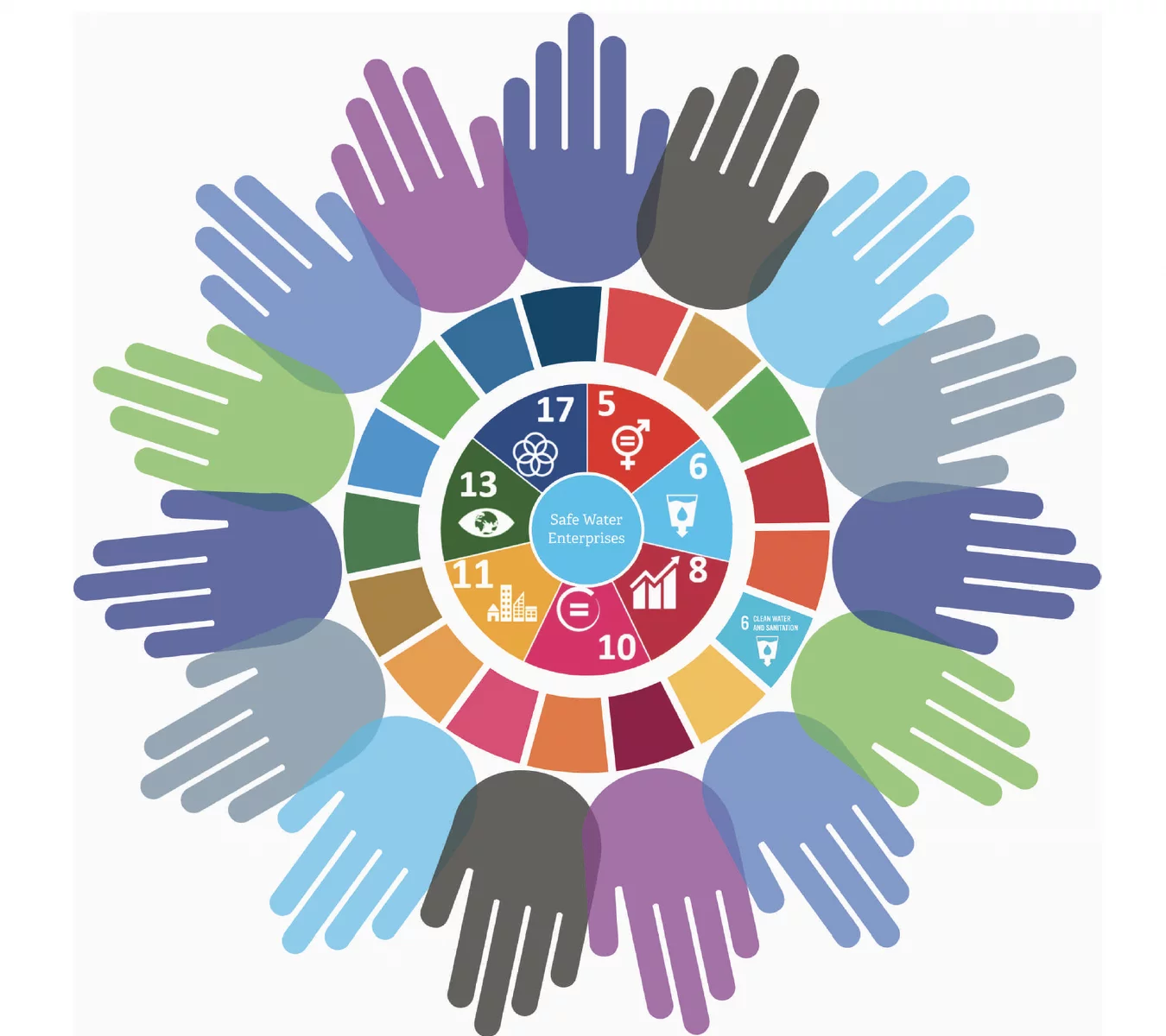
Empowering Women in Safe Water Enterprises
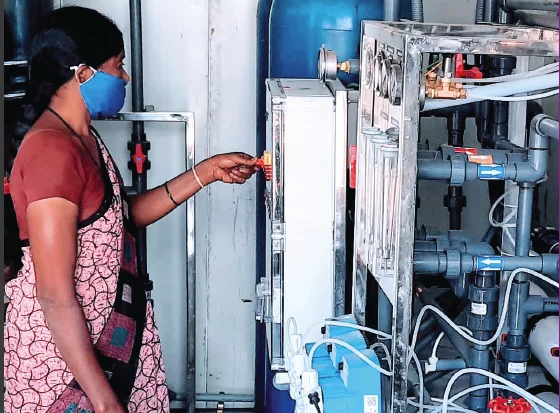
“Women & Smart Water Management in India” brought together a cross-section of leading women professionals representing the different parts of the value chain and sharing their knowledge and experience.