Keep the Water Flowing | Resiliency of the Safe Water Enterprise Model
Understanding the Impact of the COVID-19 Pandemic on Safe Water Enterprises through a Common Financial and Monitoring and Evaluation Framework.


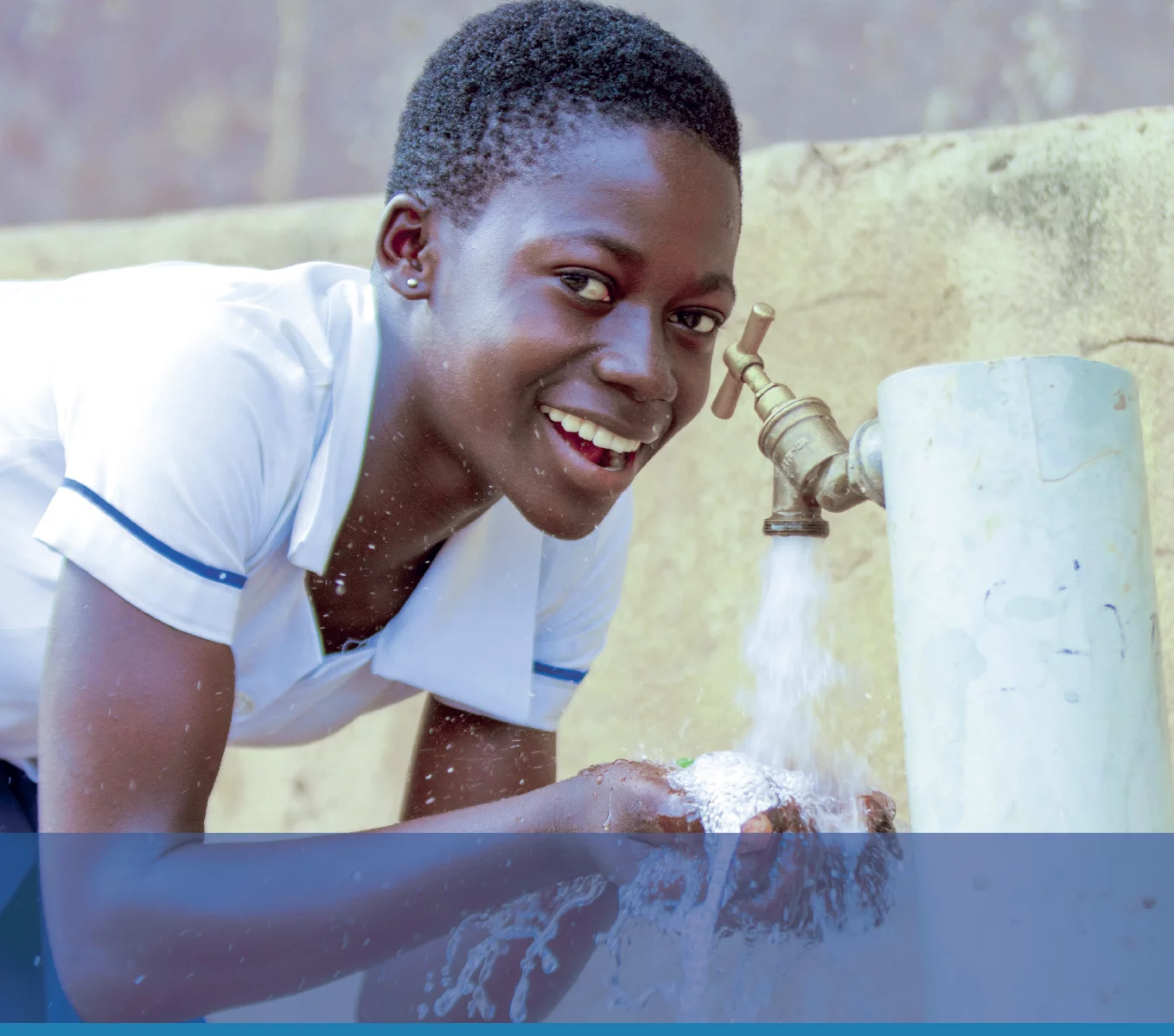
Safe Water Network's 2025 Ghana market update documents another year of measurable progress — 92,788 people reached, 53 new systems installed, and cumulative reach now exceeding 1.1 million people across 747 communities. New research also sheds light on the financing structures needed to bring safe water to Ghana's hardest-to-reach communities.
April 2026
Vasundhara demonstrates how integrated, community-led ecosystem restoration can deliver measurable environmental, climate, and livelihood outcomes at scale. Working across urban and peri-urban India, the program offers a replicable model for restoring land and water systems while strengthening local institutions.
January 2026
Understanding the Impact of the COVID-19 Pandemic on Safe Water Enterprises through a Common Financial and Monitoring and Evaluation Framework.
India’s urban water supply services have tried Public-Private Partnerships (PPPs) since the 1990s. However, PPPs have received project-specific engagement rather than it assuming a sector-wide approach. Recent trends indicate a growing interest in water PPPs, and more projects are coming under its ambit. Appropriate interventions can help the private sector play a more significant role, especially in investment and service quality improvement.
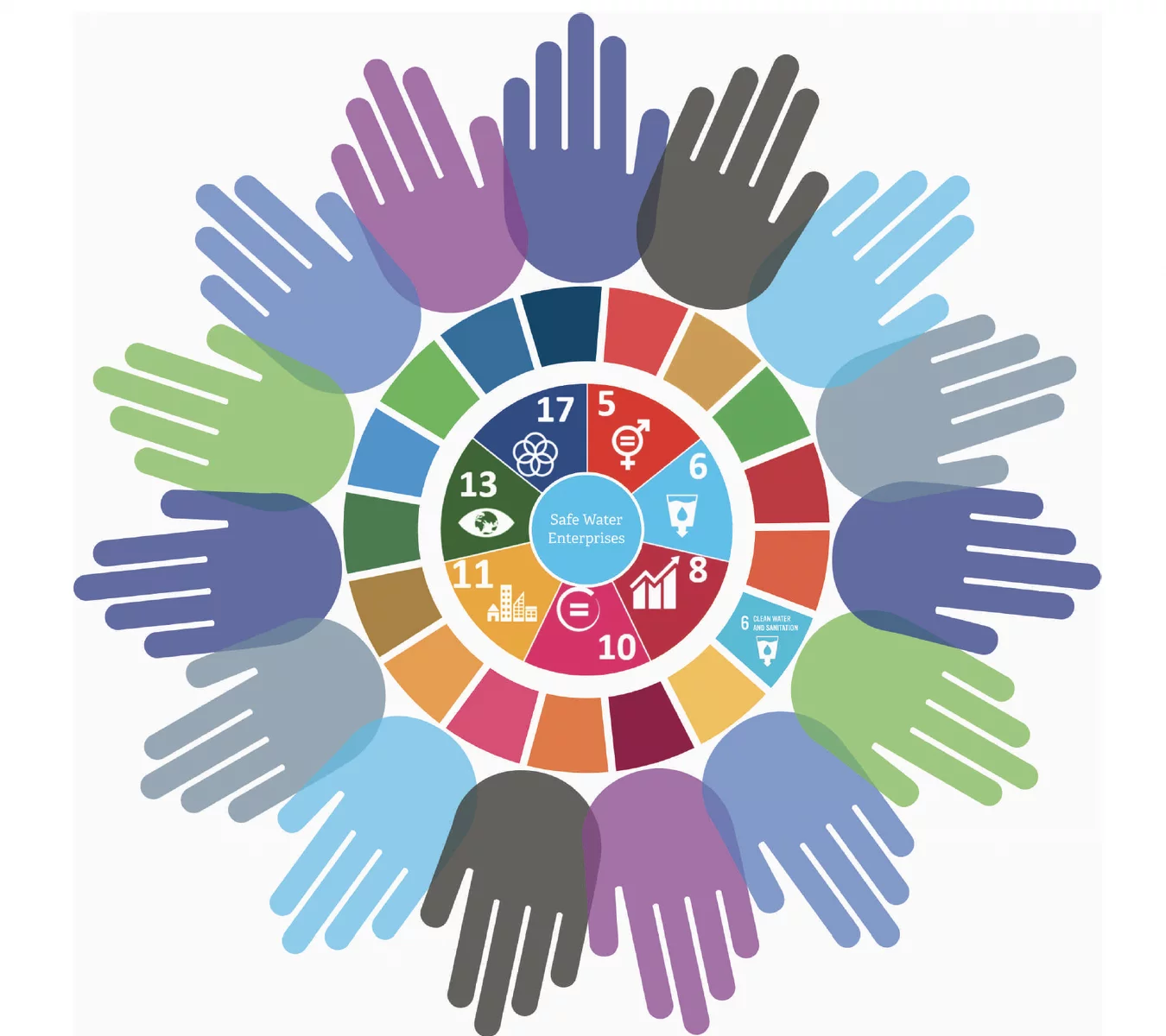
Empowering Women in Safe Water Enterprises
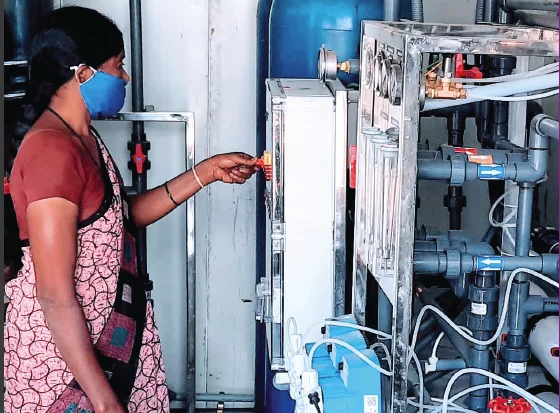
Private Sector Participation for investment & service quality improvement.
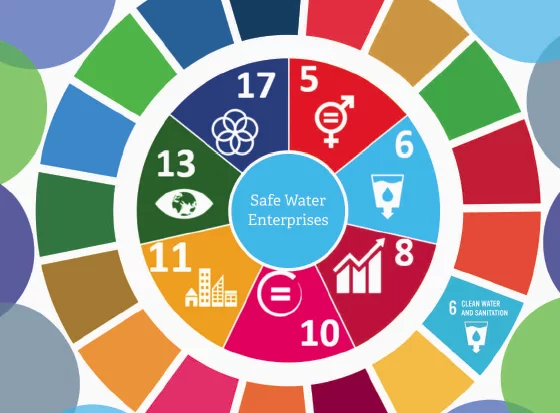
The Safe Water Network India SEWAH (Sustainable Enterprises for Water And Health) contributed towards the development of operational guidelines for the implementation of AMRUT 2 0 These guidelines, launched in October 2021 have been formulated with the aim of assisting States/ UTs for making cities Aatma Nirbhar and 'water secure'AMRUT 2.0 is a step towards AatmaNirbhar Bharat with aim of making the cities 'water secure' and providing functional water tap connections to all households.
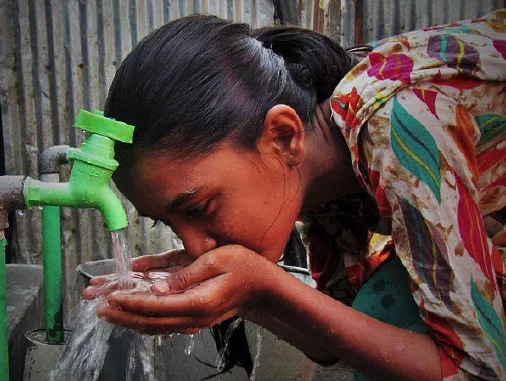
This case study, developed by Safe Water Network India, examines the relocation of water enterprises to ensure long-term viability.
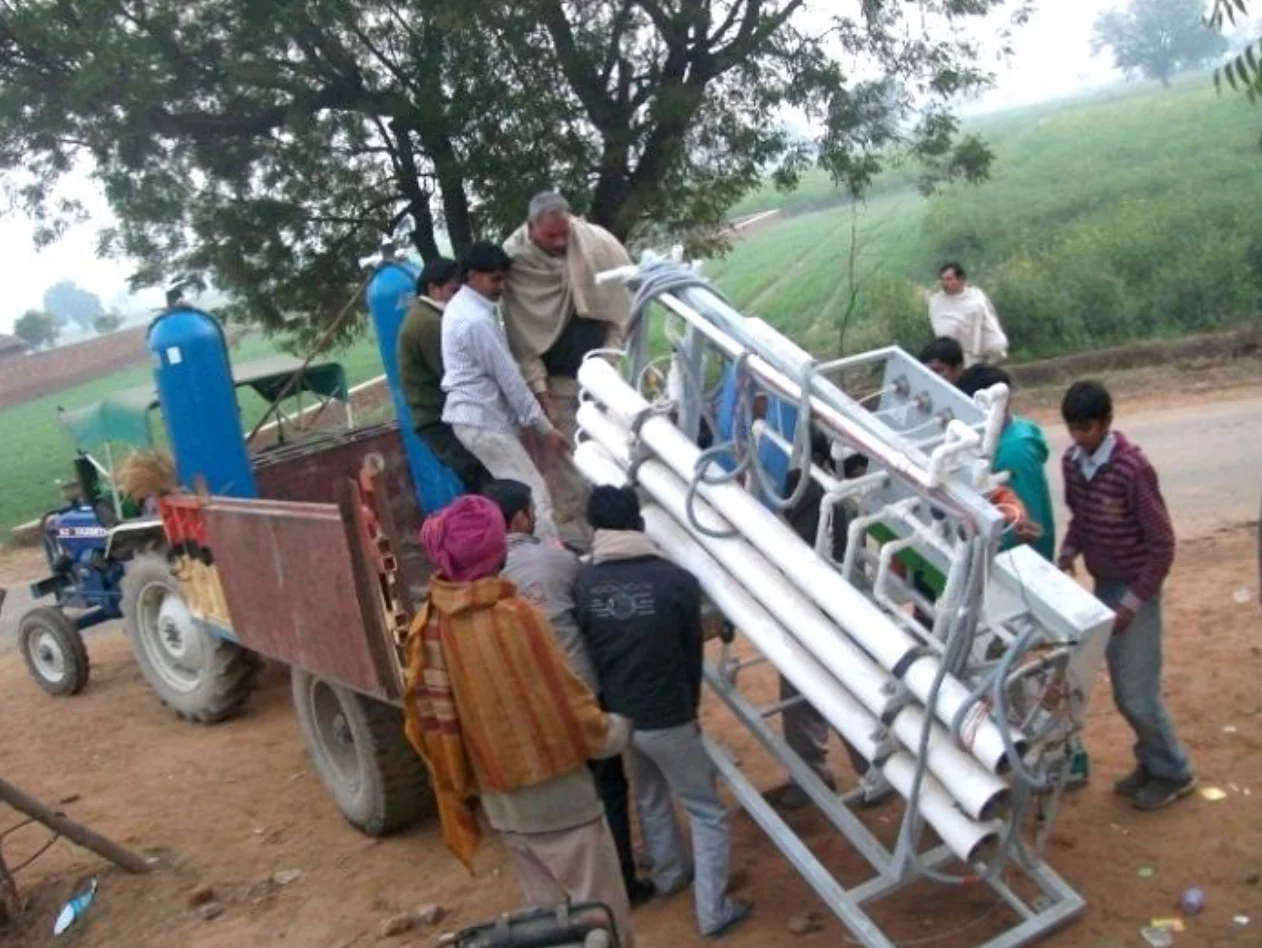
Safe Water Network’s technical assistance and training program helped to ensure the reliability and sustainability of Karnataka, India’s water purification plants, with an objective to serve more than 40 million people.
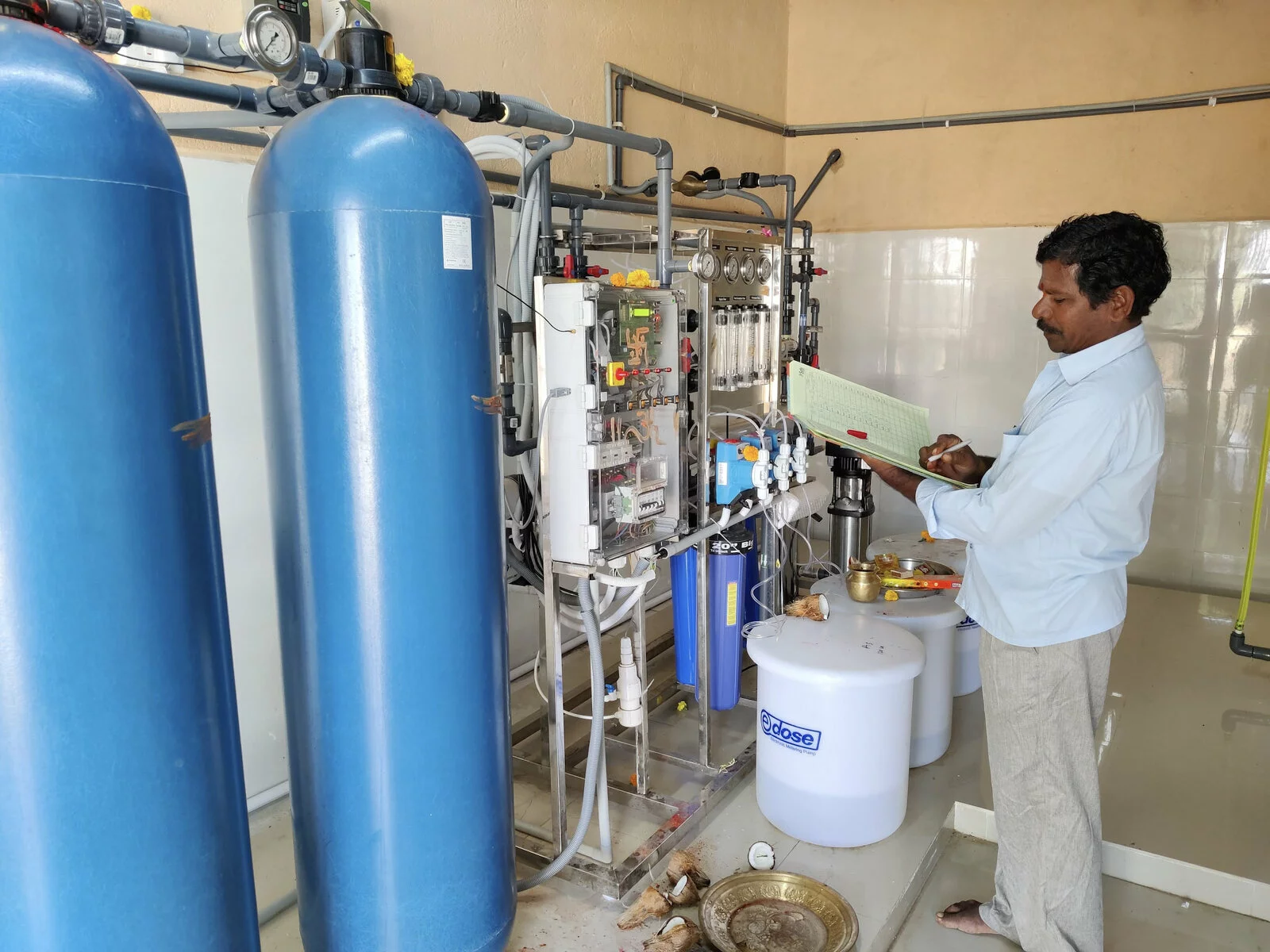
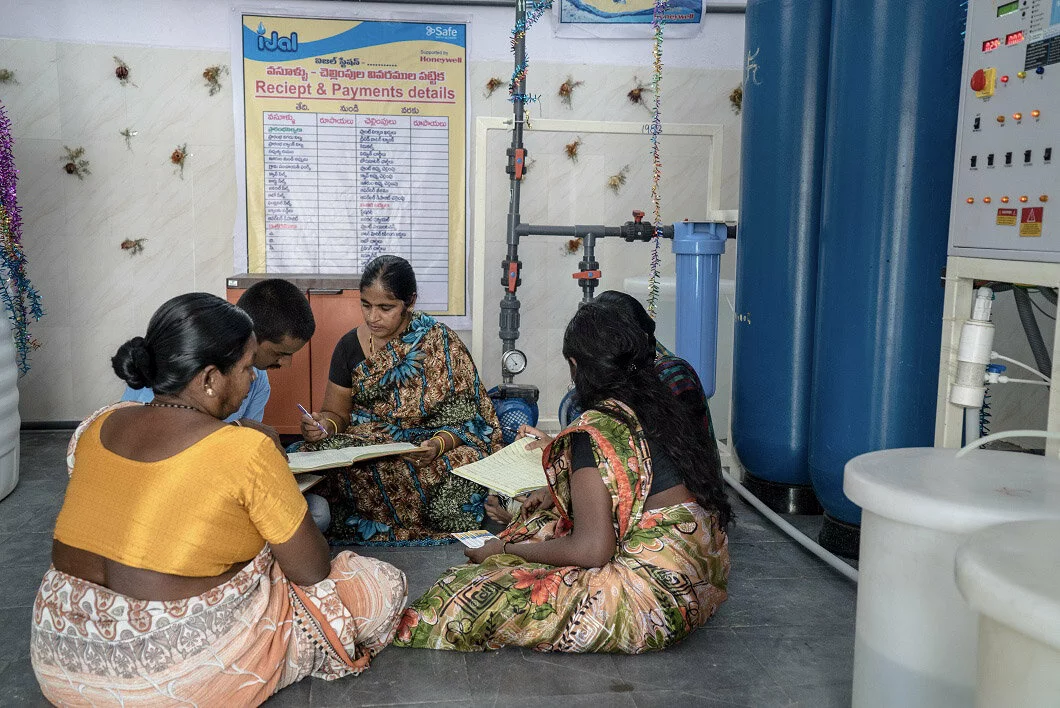
Safe Water Network (SWN) performed an impact assessment in June 2019 to determine the results of the implementation of Water ATMs at iJal Stations that were established with a Honeywell Hometown Solutions (HHS) grant.