India Sector Review (2018)
This report describes how Safe Water Enterprises can provide safe water securely and affordably to water stressed cities that are coping with dense populations due to increased migration and urbanization.


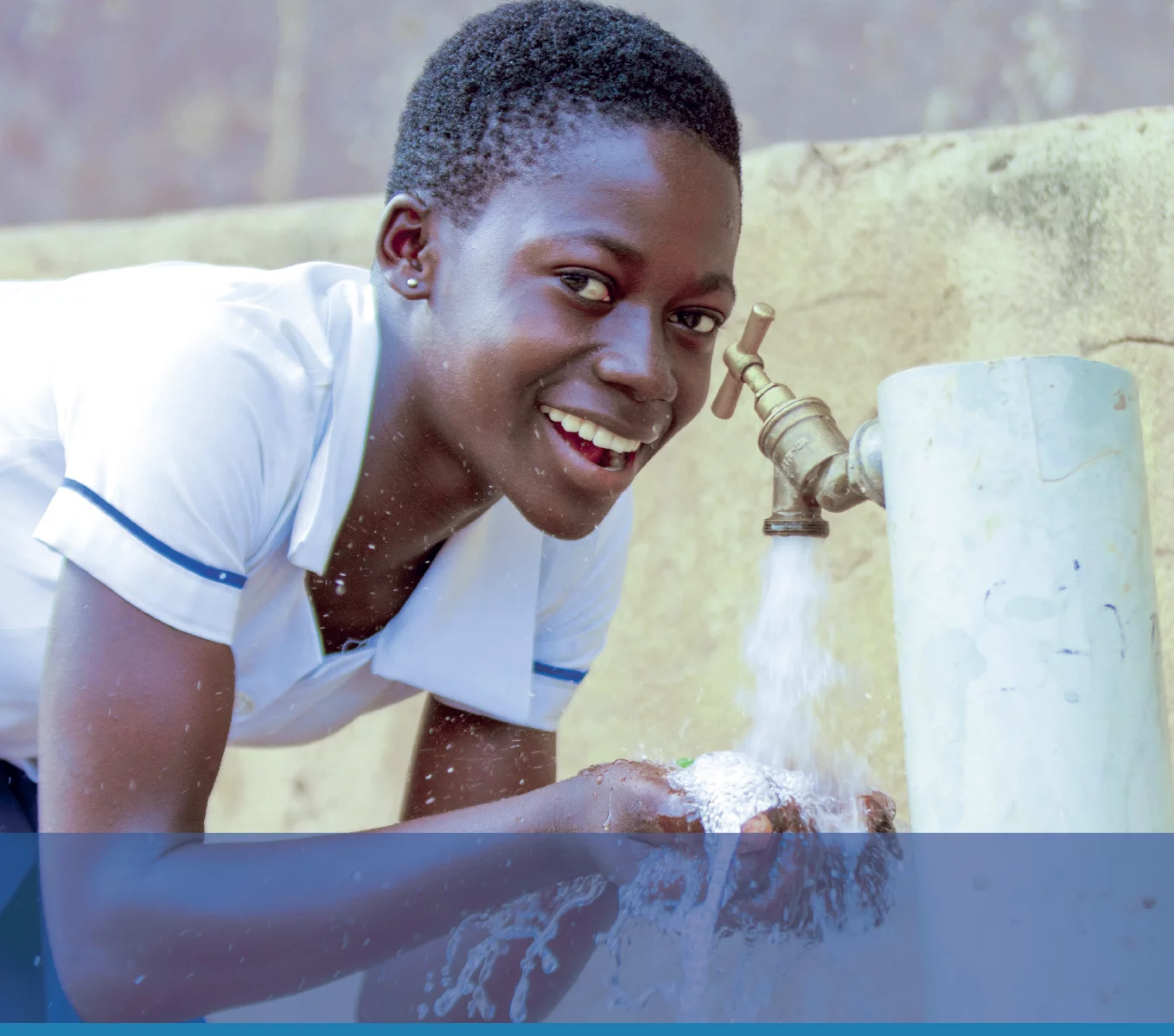
Safe Water Network's 2025 Ghana market update documents another year of measurable progress — 92,788 people reached, 53 new systems installed, and cumulative reach now exceeding 1.1 million people across 747 communities. New research also sheds light on the financing structures needed to bring safe water to Ghana's hardest-to-reach communities.
April 2026
Vasundhara demonstrates how integrated, community-led ecosystem restoration can deliver measurable environmental, climate, and livelihood outcomes at scale. Working across urban and peri-urban India, the program offers a replicable model for restoring land and water systems while strengthening local institutions.
January 2026
This report describes how Safe Water Enterprises can provide safe water securely and affordably to water stressed cities that are coping with dense populations due to increased migration and urbanization.
Access to digital prepaid payment options for household connection meters improved the financial viability of water stations and provided consumers with a greater sense of control over their consumption, thereby increasing satisfaction.
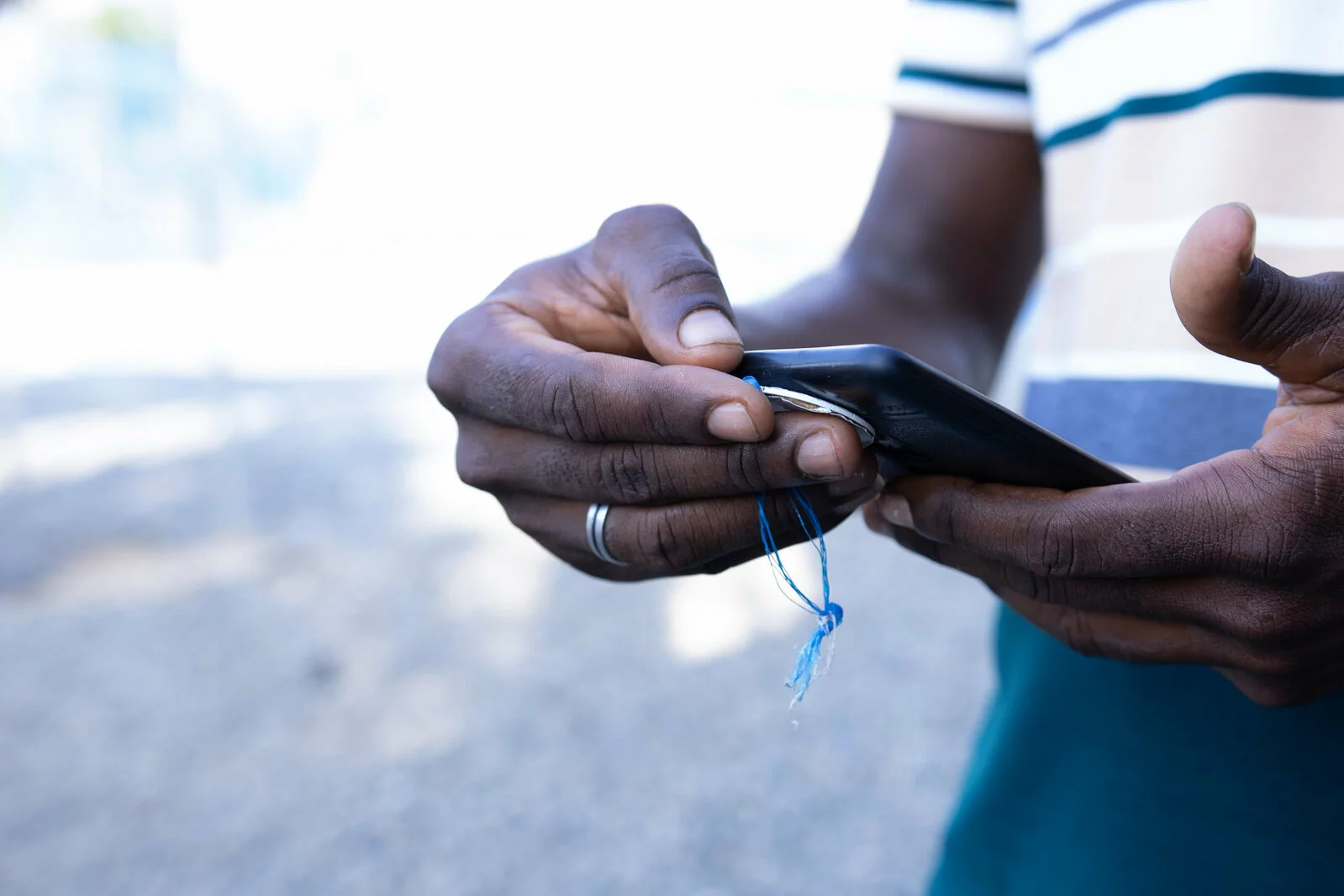
This report recommends small water enterprises (SWEs) in city planning for the creation of resilient cities. It also highlights the benefits and potential of expanding the SWE category in the urban environment.
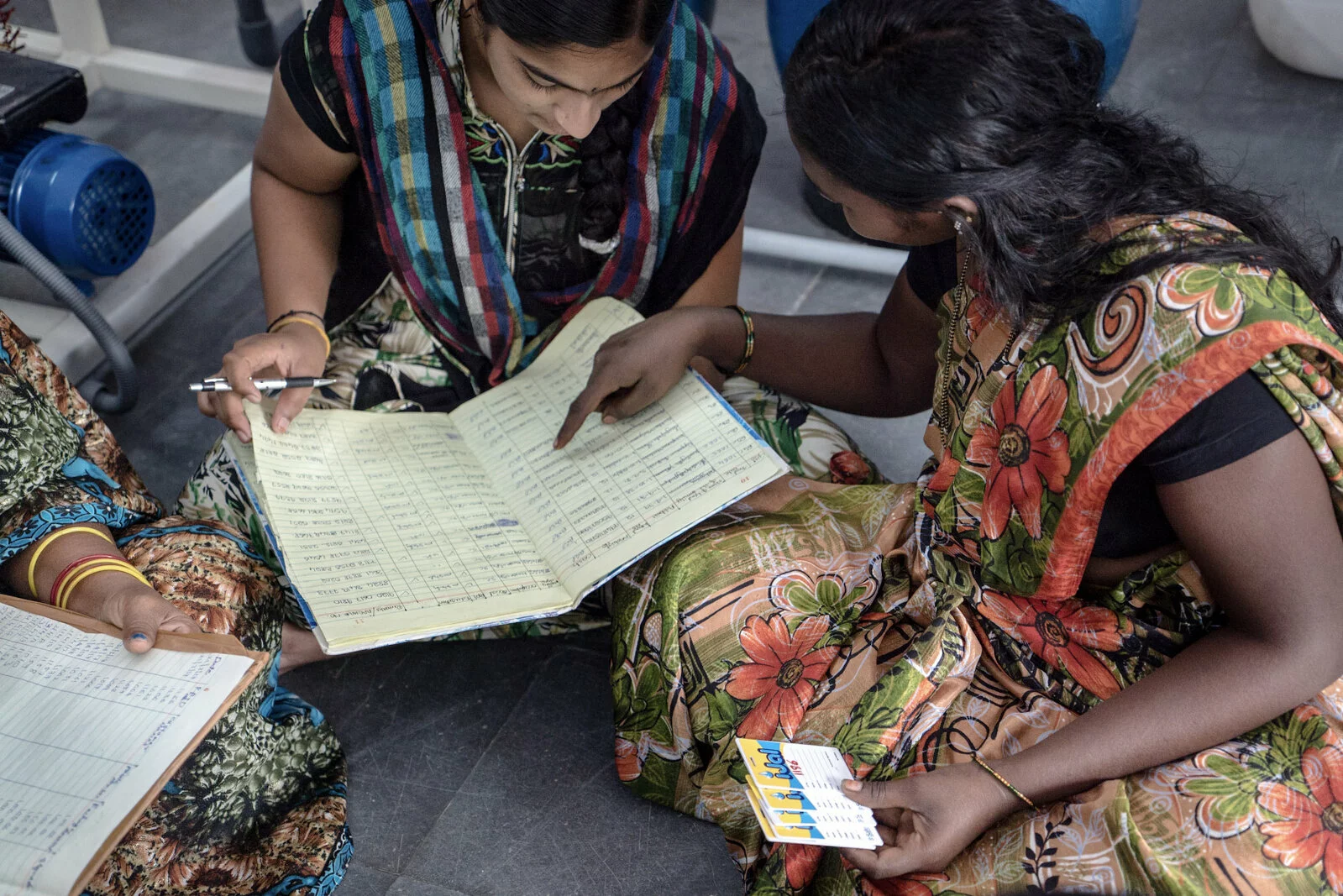
Safe Water Network (SWN) is continuing our work in India to enhance water quality at our iJal Stations. Our goal when working with UL is to refine and standardize a Station Assessment Framework.
In 2016, high inflation and increasing variable costs forced Safe Water Network to increase prices at most of its H2OME! Water Stations in Ghana, which consequently reduced consumer purchases, particularly among low-income households, which experienced a 26% decrease in consumption.
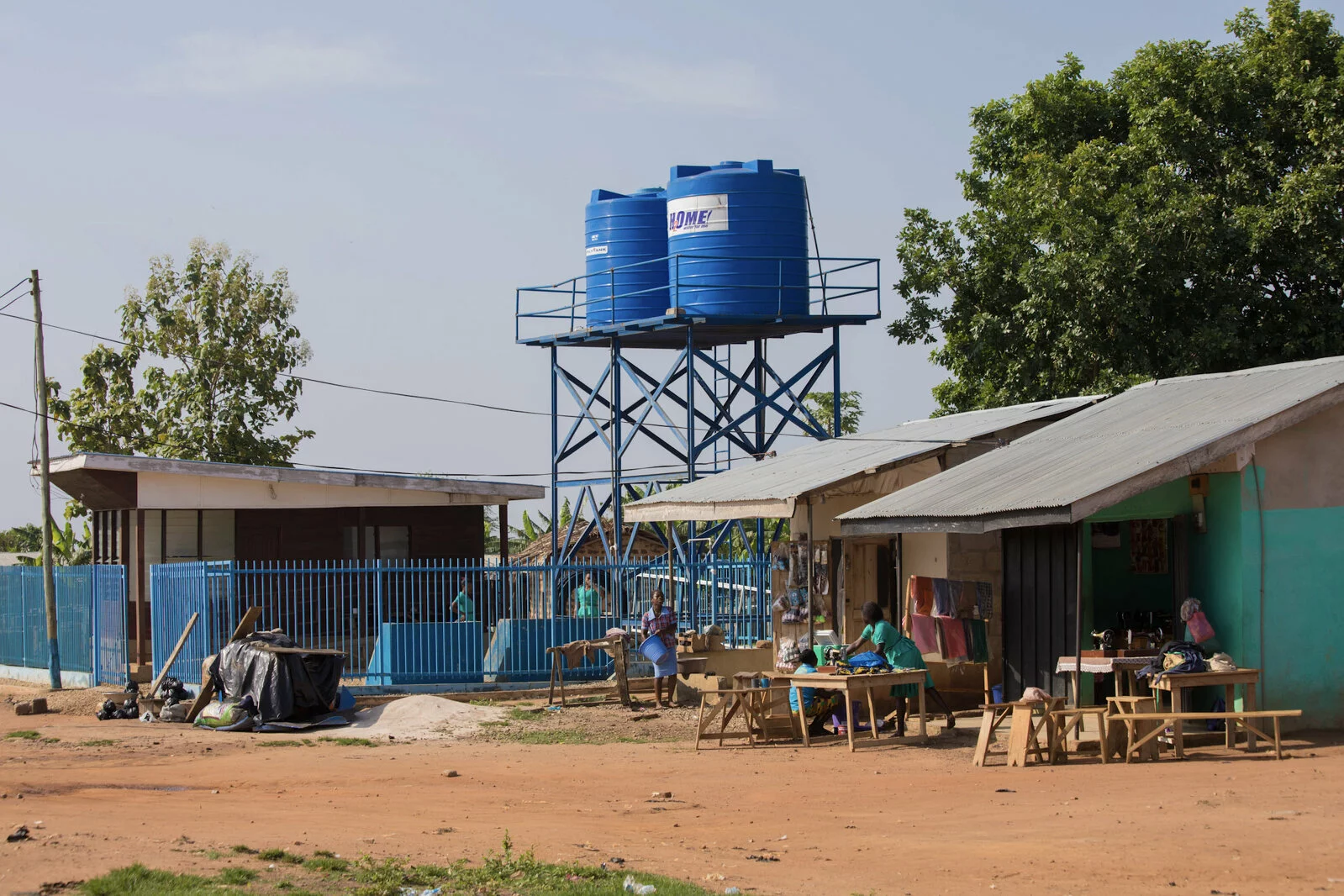
This report examines the state of Ghana’s water sector and the necessary financial steps to achieve universal safe drinking water access. Small Water Enterprises (SWEs) have been a successful tool for increasing access to safe water but there is still work to be done to ensure that they reach their full capacity.
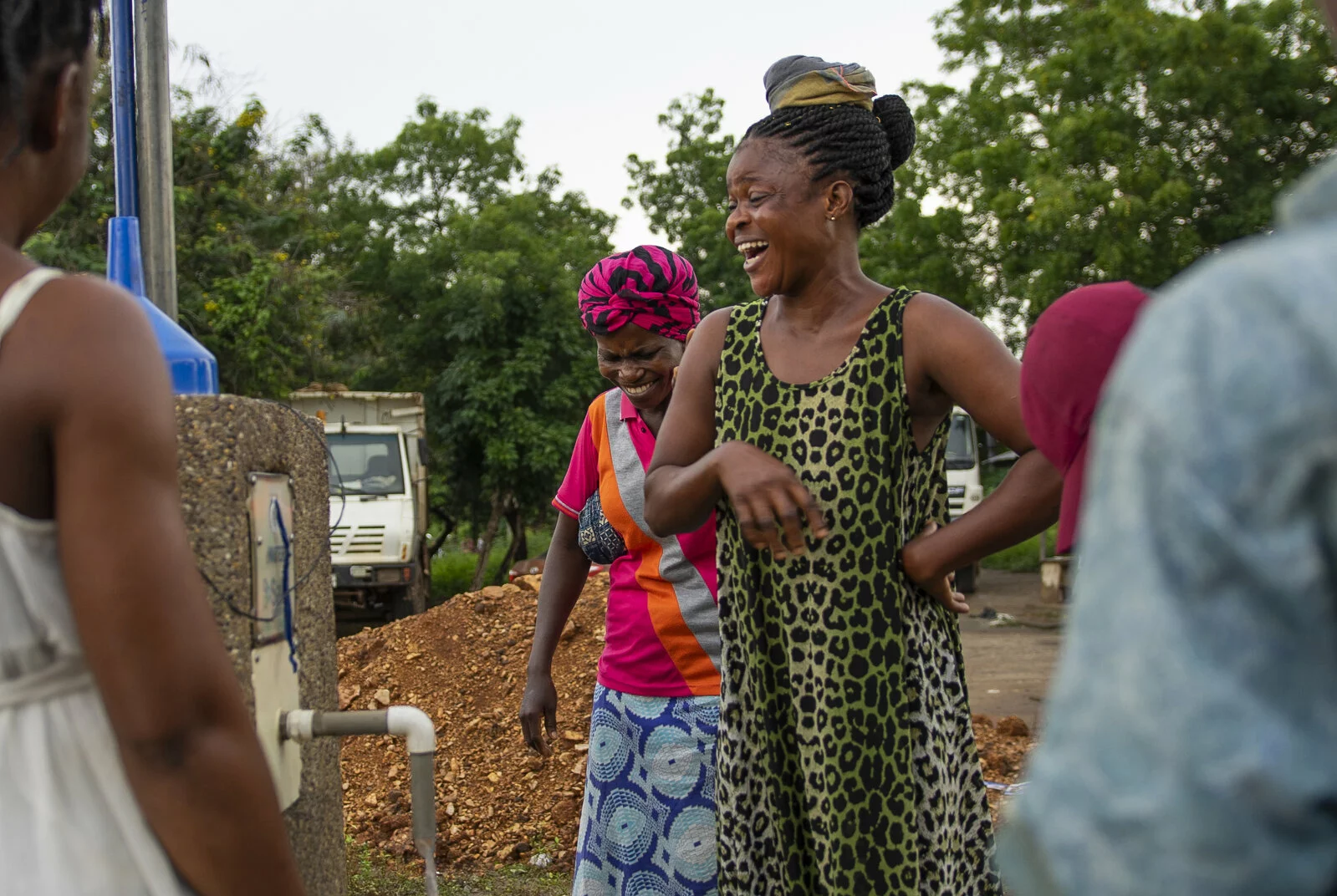
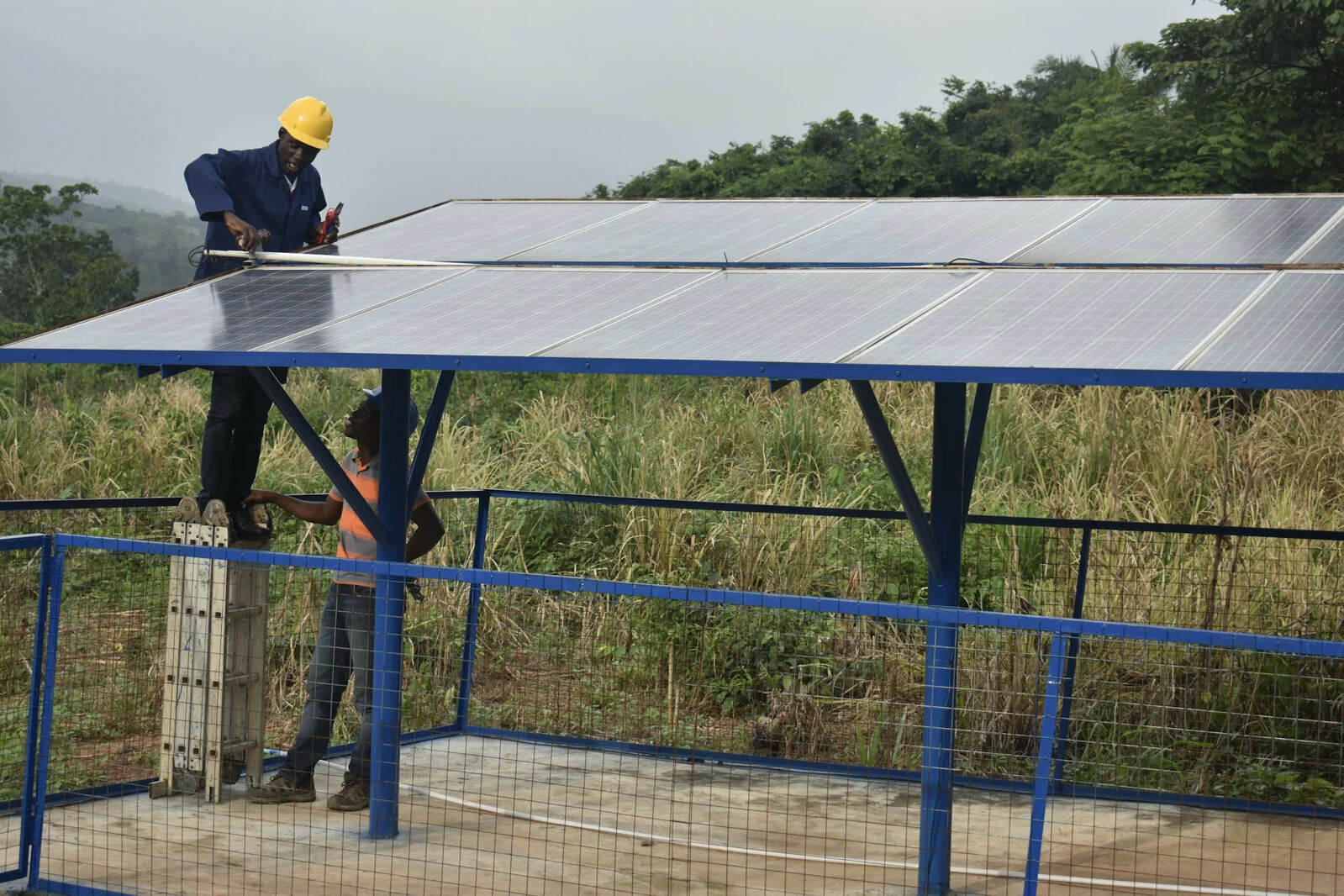
During Ghana’s 2017 energy crisis, solar power offered a financially viable solution to enhance affordability and reach more consumers.
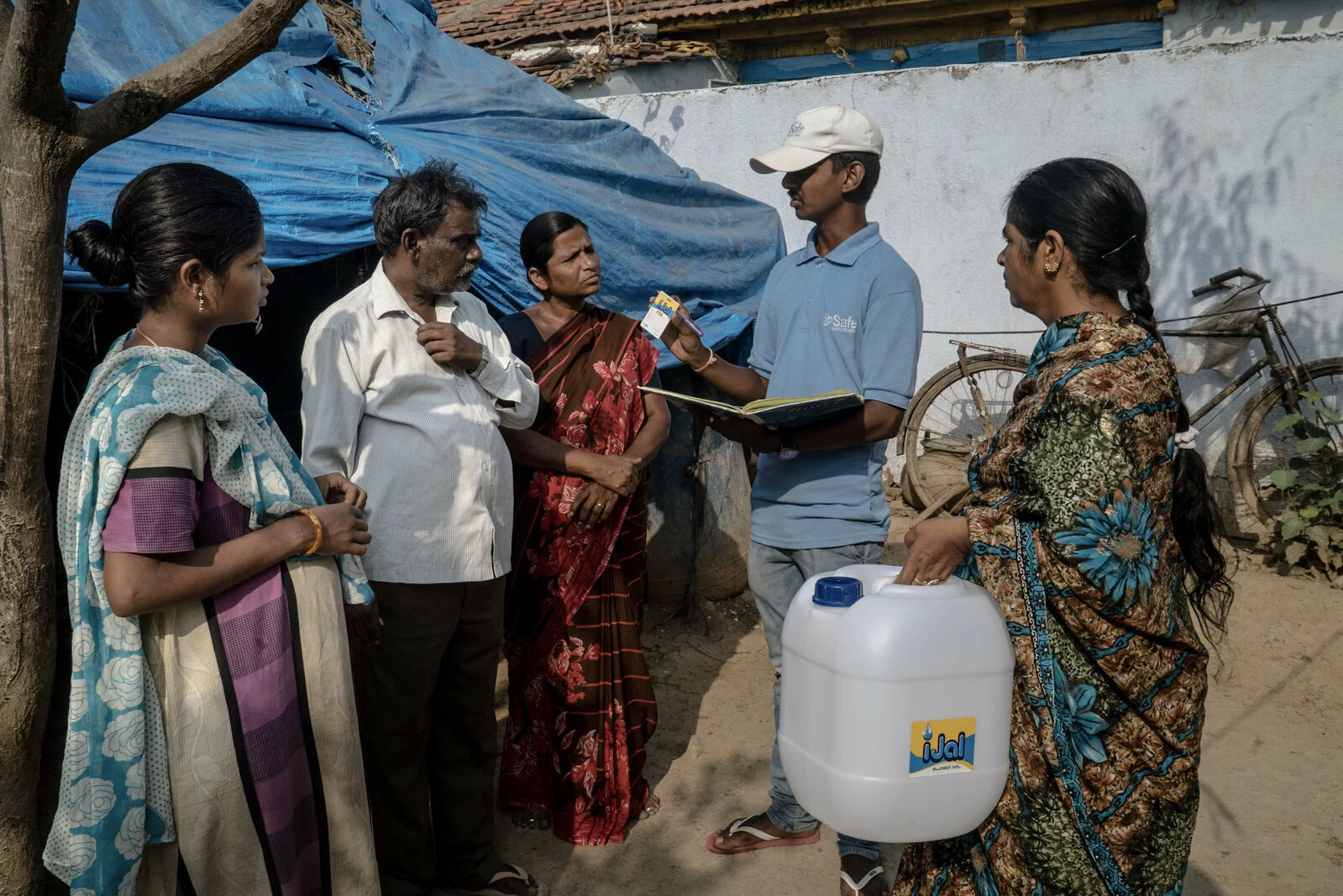
This assessment of drinking water provision to the urban poor in the four cities of Visakhapatnam, Hyderabad, New Delhi, and Mumbai has been conducted as a part of a partnership between Safe Water Network and the United States Agency for International Development (USAID), entitled Urban Small Water Enterprises under the USAID Urban Water, Sanitation, and Hygiene Alliance program.