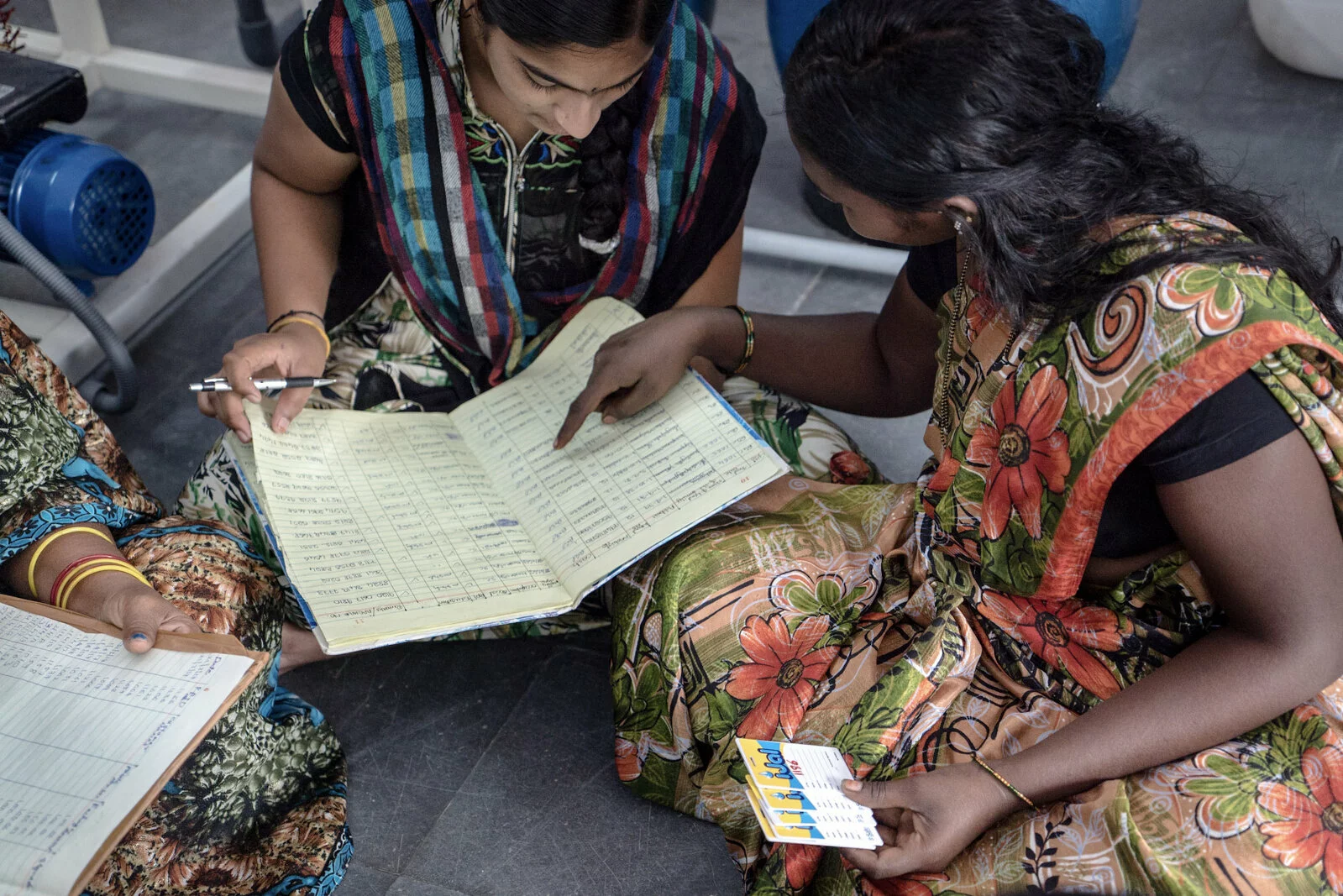
2019 World Water Week Conference
The Safe Water Network Team participated in various sessions during the Stockholm International Water Institute World Water Week conference in 2019.


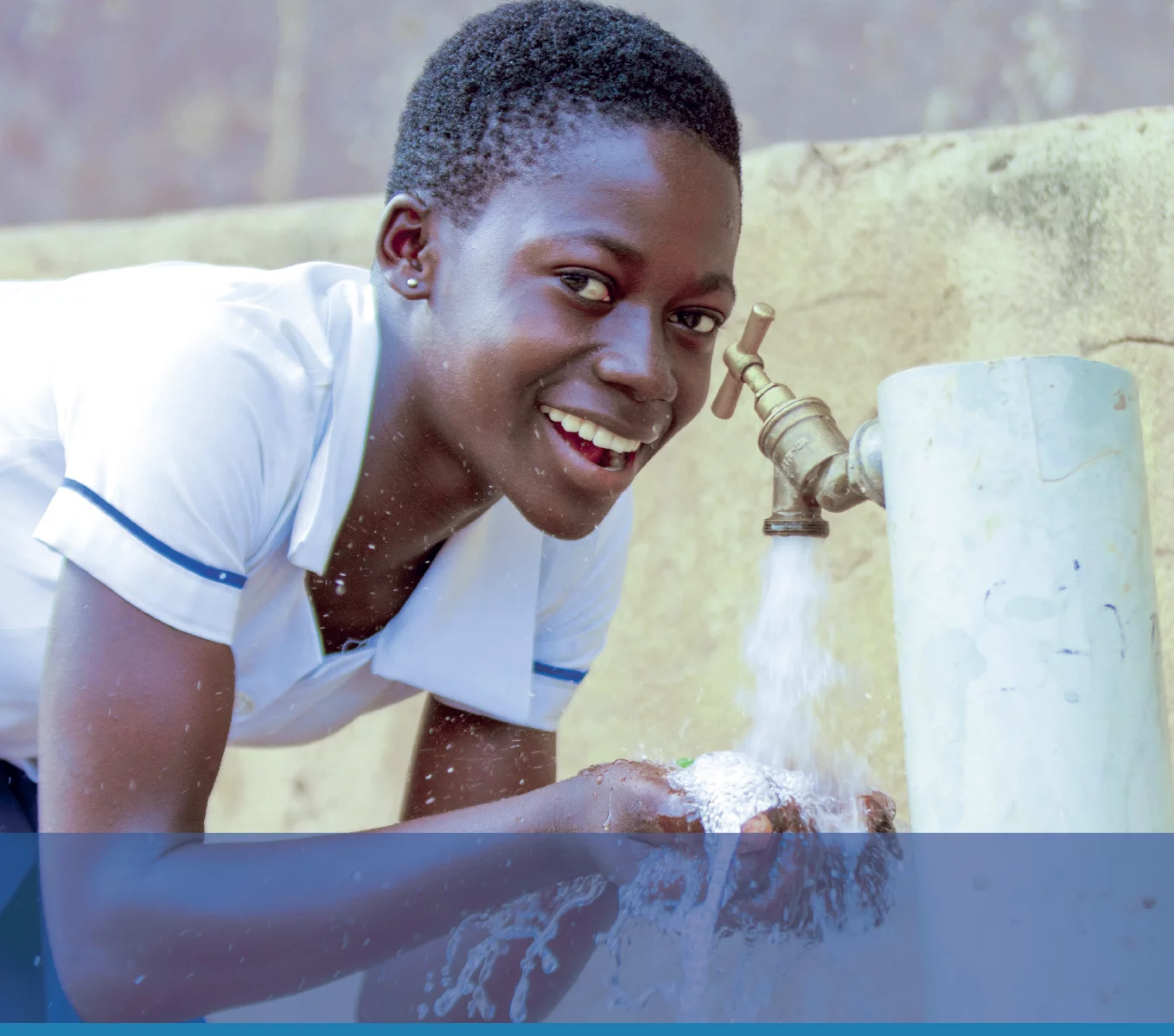
Safe Water Network's 2025 Ghana market update documents another year of measurable progress — 92,788 people reached, 53 new systems installed, and cumulative reach now exceeding 1.1 million people across 747 communities. New research also sheds light on the financing structures needed to bring safe water to Ghana's hardest-to-reach communities.
April 2026
Vasundhara demonstrates how integrated, community-led ecosystem restoration can deliver measurable environmental, climate, and livelihood outcomes at scale. Working across urban and peri-urban India, the program offers a replicable model for restoring land and water systems while strengthening local institutions.
January 2026
The Safe Water Network Team participated in various sessions during the Stockholm International Water Institute World Water Week conference in 2019.
Small water enterprises (SWEs) alleviates burdens by providing safe and accessible drinking water to communities, which allow women more time to pursue education and employment opportunities.
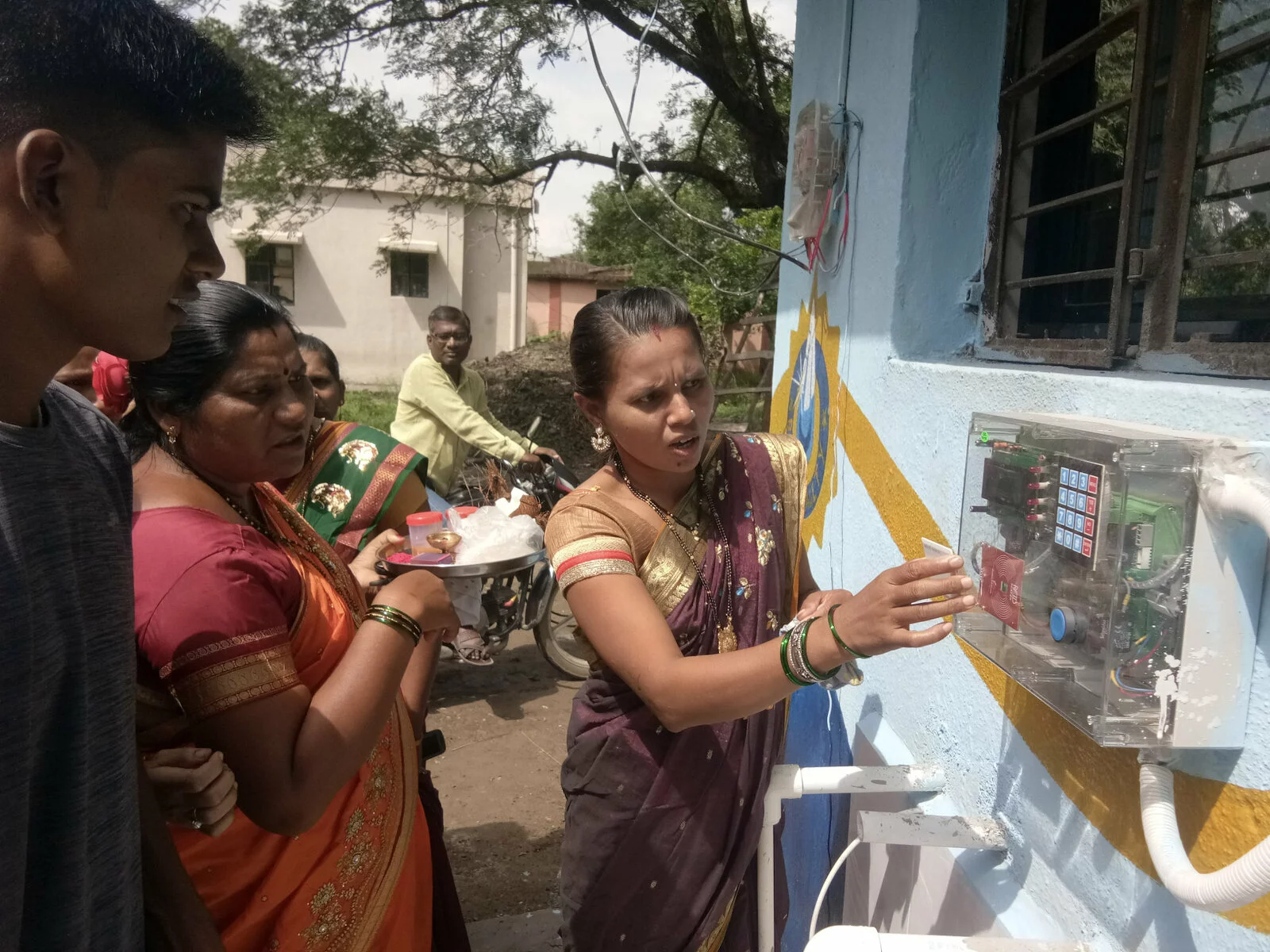
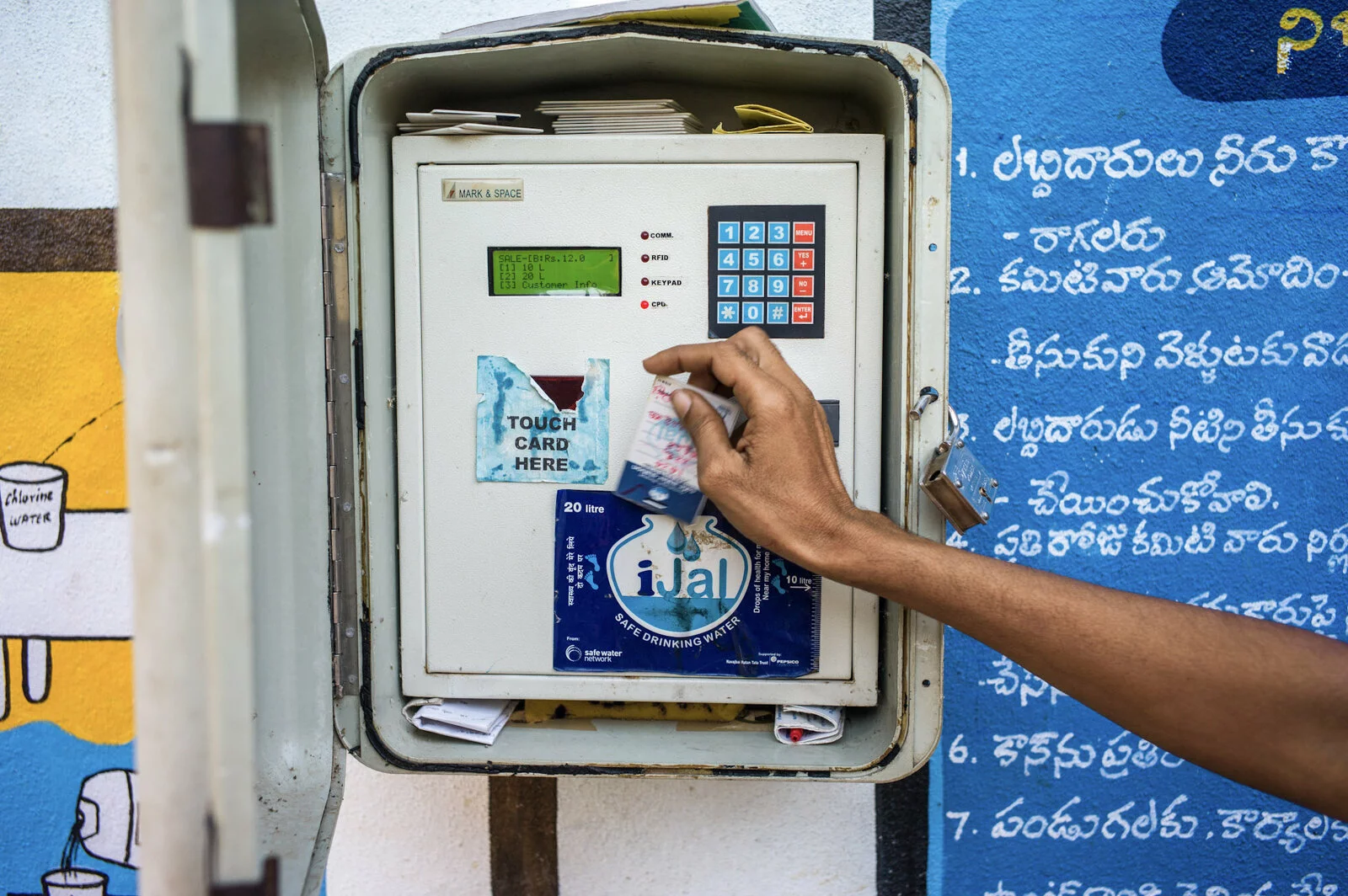
This paper presents a case study of 265 iJal Safe Water Stations in India that use IoT-based parametric monitoring systems to raise automatic alarms and send regular alerts, which help facilitate both local operations and remote diagnostics conducted by a service entity to identify service and spare-parts requirements on a timely basis.
Building on progress made during the 2018 Forum, the 2019 Beyond the Pipeline Ghana focused on “Mainstreaming Small Water Enterprises for Scale.”
The Beyond the Pipe Forum featured the launch of a Small Water Enterprise Alliance which will facilitate joint initiatives to establish industry standards, accelerate sector funding, and advance regulatory reform.
This report describes how Safe Water Enterprises can provide safe water securely and affordably to water stressed cities that are coping with dense populations due to increased migration and urbanization.
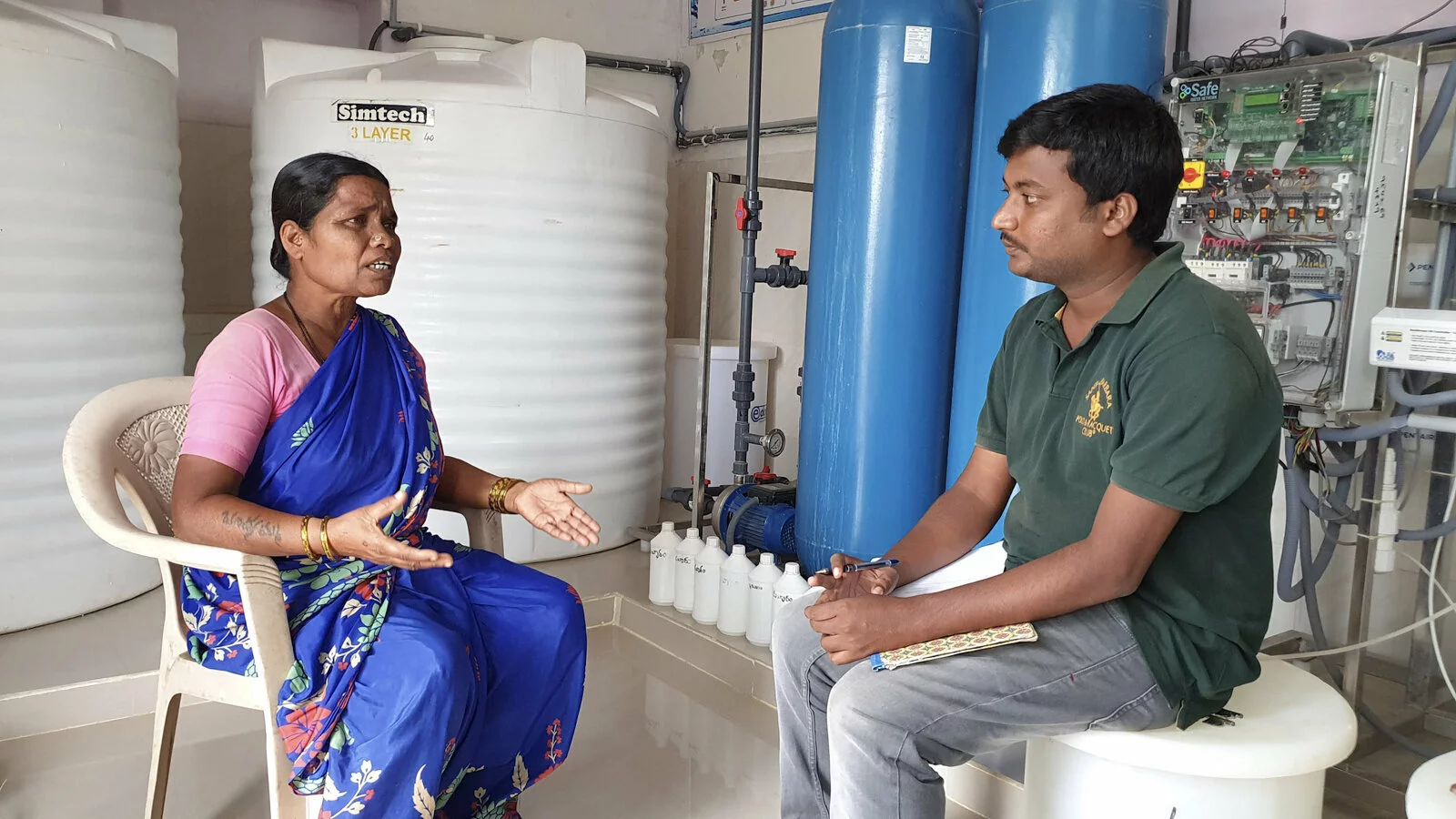
Access to digital prepaid payment options for household connection meters improved the financial viability of water stations and provided consumers with a greater sense of control over their consumption, thereby increasing satisfaction.
This report recommends small water enterprises (SWEs) in city planning for the creation of resilient cities. It also highlights the benefits and potential of expanding the SWE category in the urban environment.